
Bourbon Cocktail Trends 2026 Home Bartenders Are Actually Using (Not Just Talking About)
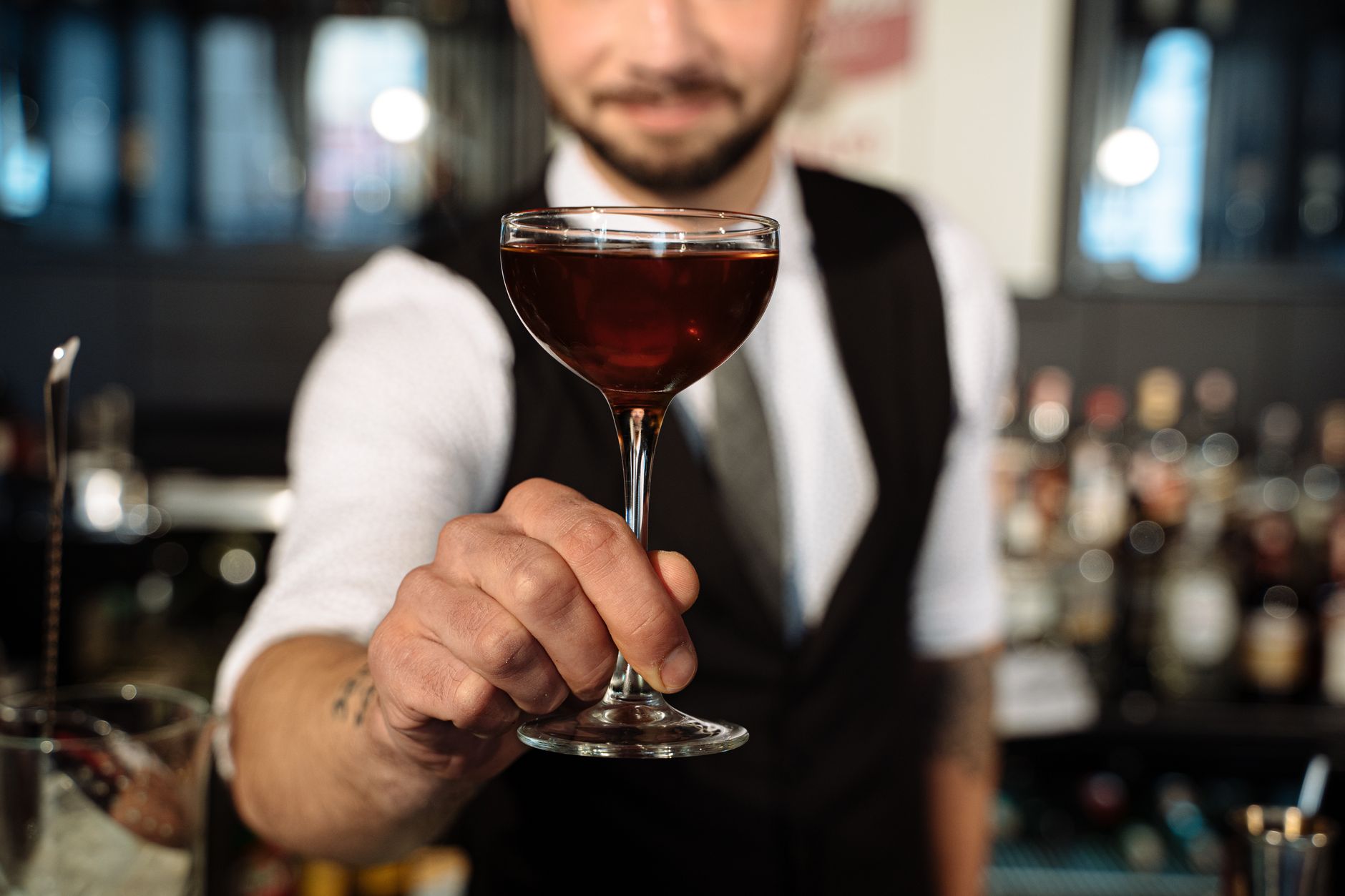
The easiest cocktail you’ll make this summer might only need two ingredients. While Kentucky bars are chasing complexity with house-made tinctures and $15 garnishes, the smartest home bartenders are stripping things back. Think bourbon and ginger beer with a proper squeeze of lime. Think high-proof whiskey meeting a single, quality modifier that actually lets the spirit breathe.
That tension—bar spectacle versus kitchen practicality—is exactly what’s defining bourbon cocktail trends 2026 home bartenders actually care about. We’re not building out backbars with twenty amari. We’re looking at our existing bottles and asking: what can I do differently with what I already own?
Here’s what’s working in real home kitchens right now, not just in Instagram Reels from cocktail influencers you’ll never meet.
The Two-Ingredient Revival Is Smarter Than It Looks
Let’s be honest: “11 Delectable Two Ingredient Bourbon Cocktails” sounds like Pinterest bait. But there’s genuine technique hiding in that simplicity. The 2026 twist? Home bartenders are treating two-ingredient drinks as proof-of-concept exercises for their base bourbon.
Instead of drowning mediocre whiskey in sugar and citrus, you’re selecting a quality bourbon and pairing it with one element that exposes its character. Buffalo Trace with Fever-Tree ginger ale and a heavy lime hand. Elijah Craig Small Batch with Carpano Antica and nothing else—yes, technically a two-ingredient Manhattan if you skip the bitters (heresy to some, revelation to others).
The trend here is intentional constraint. Home bartenders in 2026 are buying better bourbon rather than more ingredients. The average enthusiast’s cabinet has shrunk from 12 bottles to 6 quality pours, according to informal polling in bourbon Reddit communities. Fewer, better choices. Smarter pairings.
Practical tip: Try this test tonight. Pour 2 oz of your favorite bourbon. Taste it neat. Then add one quality modifier—something you’d drink on its own. Document what works. That’s your personal two-ingredient playbook, and it costs nothing to build.
Low-ABV Bourbons Are Winning the Weeknight
The “drysolation” movement of 2024-2025 matured into something more nuanced: controlled-ABV drinking. Home bartenders aren’t going sober. They’re going strategic.
Kentucky producers noticed. Wild Turkey’s 2026 release of “Longbranch Light” (80 proof, same mesquite filtration) and Heaven Hill’s expanded Larceny Barrel Proof “small pour” program both signal industry recognition that home drinkers want sessionable options. But the real trend is how bartenders are building low-ABV cocktails rather than buying them.
The technique: split-base construction. Start with 1 oz full-proof bourbon, add 1 oz bourbon-based vermouth (yes, several Kentucky distilleries now produce these), then stretch with sparkling water or unsweetened tea. You get full flavor, half the alcohol, and a drink that lasts through a full dinner conversation.
Numbers that matter: A standard Old Fashioned runs roughly 28% ABV in the glass. A split-base Kentucky Spritz built this way lands around 14%—comparable to wine, but with the flavor density bourbon drinkers actually want.
Fat-Washing Escaped the Bars (And Got Practical)
This time last year, fat-washing was cocktail-bar mysticism. Duck fat bourbon. Brown butter rye. Impressive, but who keeps rendered duck fat in a suburban kitchen?
2026’s home bartender adaptation: everyday fat sources with extraordinary results. Bacon grease is obvious (and overdone). The fresh angles are:
- Coconut oil washing: 2 oz bourbon, 1 oz melted unrefined coconut oil, freeze 4 hours, strain through coffee filter. Adds subtle tropical weight that transforms a standard Whiskey Sour.
- Brown butter with intention: Nutty, quick to make, and it clarifies beautifully. Works especially with wheated bourbons like Maker’s Mark or W.L. Weller.
- Peanut oil experiments: Controversial, polarizing, but genuinely interesting with high-rye bourbons. Think peanut shell meets spice.
The technique is simpler than bartenders pretend. Fat and bourbon, 4-6 hour room-temperature contact, freeze to solidify fat, fine-strain. No centrifuge required. Your freezer does the work.
Critical detail: Use 110-115 proof bourbon. Lower proofs get oily texture without enough structure to carry it. Higher proofs extract too aggressively and turn bitter.
Hyper-Seasonal Home Menus Replace “Signature Cocktails”
The 2020s obsession with “my signature drink” is fading. Replacing it: calendar-bound cocktail programming that matches bourbon’s agricultural reality.
Home bartenders are building four-drink rotations tied to actual Kentucky seasons:
- Late June-July: Fresh corn milk (blended and strained raw corn) with high-rye bourbon, pinch of salt, served over cracked ice. The “Kentucky Milk Punch” trend, but savory and fleeting.
- September: Pawpaw puree (foraged or from Kentucky farmers markets) with wheated bourbon, lemon, minimal sugar. Two-week availability window. That scarcity is the point.
- November: Sorghum syrup replaces maple in Old Fashioned variations. More complex, less cloying, genuinely Southeastern.
- February: Forced rhubarb from hoop houses, macerated with overproof bourbon for a tart, vegetal whiskey sour that reads almost like a gin drink.
This isn’t pretension. It’s practical excitement. Limited windows force experimentation. You can’t procrastinate on pawpaw season. The urgency builds skills.
The “Kitchen Cabinet” Bitters Program
Commercial bitters collections are shrinking in home bars. Growing in their place: DIY bitters from actual cooking ingredients.
Why buy celery bitters when you have celery seed in your spice drawer? Why pine for chocolate bitters when unsweetened cocoa powder and high-proof bourbon make a credible tincture in 72 hours?
The 2026 home bartender’s bitters kit:
- Toasted rice bitters: Sushi rice, dry-toasted, steeped in bourbon, reduced. Adds nutty depth to high-corn recipes.
- Charred scallion tincture: Direct from Korean cooking techniques. Two-hour steep, not two-week. Instant umami backbone.
- Coffee cherry bitters: The actual fruit around coffee beans, dried, available from specialty roasters. Tart, woody, unexpected with wheated bourbon.
Time investment: Most of these require 24-48 hours, not the month-long traditional bitters programs. Speed matters for home practitioners who want to drink this weekend, not next quarter.
Your 2026 Action Plan: Start This Weekend
Bourbon cocktail trends 2026 home bartenders follow share one trait: they’re executable immediately, not aspirational indefinitely. Pick one trend. Execute tonight.
Tonight’s two-ingredient test: Your best bourbon + one quality modifier. Document.
This weekend’s fat wash: Coconut oil or brown butter. 4 hours. Strain. Build one Whiskey Sour variation.
This month’s seasonal project: What’s actually growing or harvesting within 100 miles of you? Find it. Pair it with appropriate bourbon proof and mash bill.
The gap between Kentucky bar innovation and home practice has never been smaller. The tools are your kitchen. The timeline is now. The bourbon is already on your shelf.
What two-ingredient combination surprised you? Drop your discovery in the comments—we’re building a running list of 2026’s best unexpected pairings.