
Bourbon Cocktail Trends for 2026: How Kentucky Bars Are Reinventing the Old Fashioned
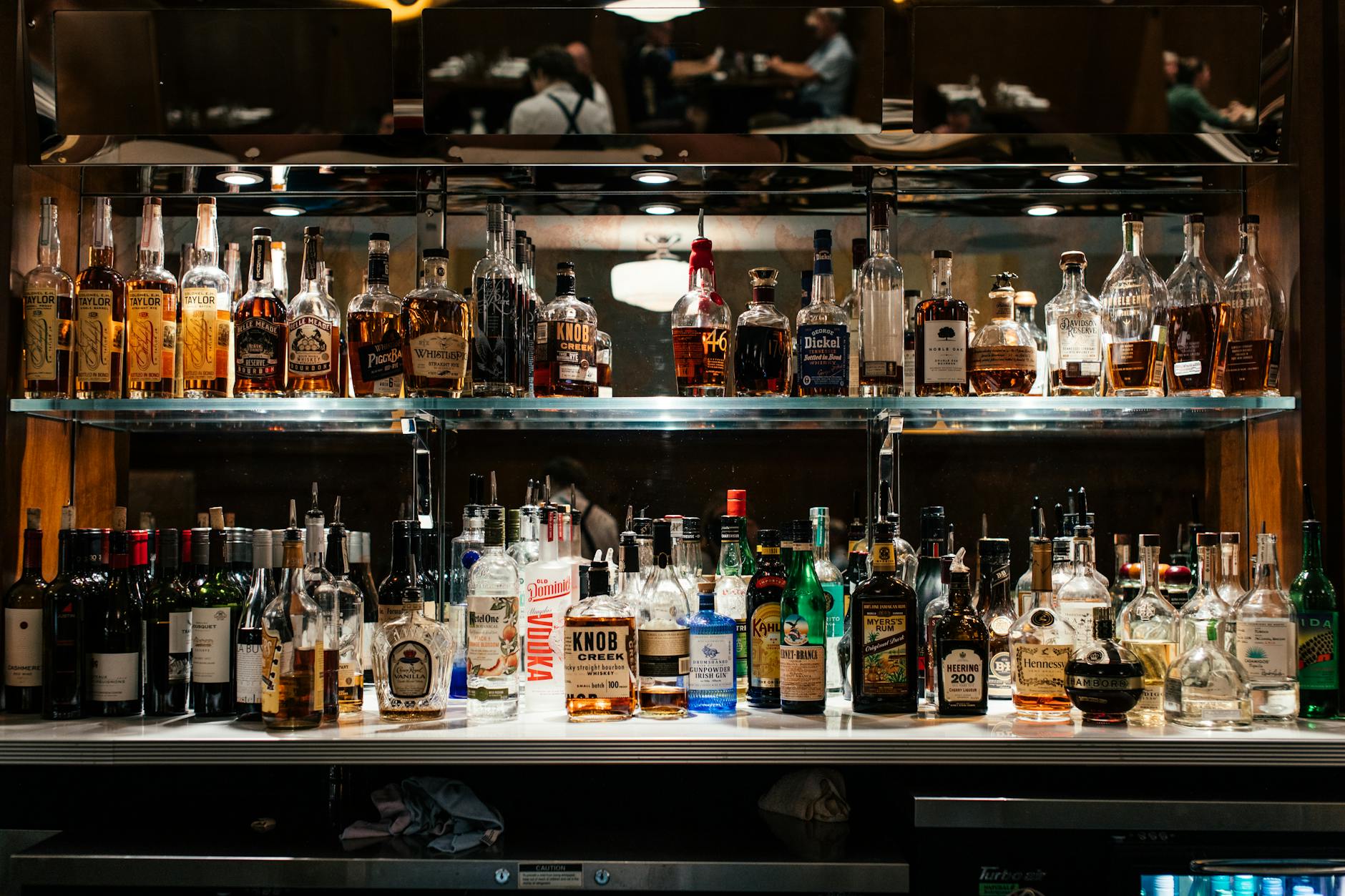
Kentucky’s summer bourbon scene is already blazing, and if Flaviar’s recent spotlight on summer bourbon cocktails proved anything, it’s that 2026 is the year bartenders stopped apologizing for making bourbon interesting. The brown-water stigma? Dead and buried. What we’re seeing now is a full-blown renaissance—one where heritage distilleries share backbar space with foraged sorghum syrups, where the Old Fashioned gets deconstructed and rebuilt by chefs-turned-bar-directors, and where “local” means the rye was harvested twenty miles from your stool.
This isn’t your uncle’s Manhattan guide. These are the bourbon cocktail trends for 2026 actually driving menus, Instagram debates, and distillery collaborations right now—and how to use them whether you’re mixing at home or planning your next Louisville bar crawl.
The Hyper-Local Movement: Bourbon Beyond the Bottle
Kentucky bartenders have finally stopped treating bourbon like a finished product and started treating it like a base—something to build around with ingredients that share its dirt.
At Husk Nashville’s Louisville outpost, bar director Katie Renshaw’s 2026 menu features a “50-Mile Sazerac” where the rye whiskey comes from New Riff in Newport, the absinthe substitute is a wormwood tincture distilled in Shelbyville, and the Peychaud’s bitters are housemade with gentian foraged from Bernheim Forest. The result tastes like Kentucky in June: humid, herbal, unmistakably here.
What’s driving this? Supply chain transparency meets genuine terroir obsession. Consumers who demanded to know their beef’s pasture now want to know their cocktail’s watershed.
How to try it at home:
- Source sorghum syrup from a Kentucky producer like Mennonite-owned Sandhill Farm instead of standard simple syrup
- Steep local herbs (bee balm, wild bergamot) in high-proof bourbon for 48 hours
- Ask your distillery about single-barrel picks with mash bills featuring local corn varietals—Heirloom Bloody Butcher corn is having a moment
Zero-Waste Bourbon Bars: When Sustainability Gets Boozy
The most talked-about opening in Louisville this spring wasn’t a distillery—it was Barrel & Rind, a zero-waste cocktail bar where every orange peel from their bourbon Old Fashioneds gets dehydrated for garnish powder, spent bourbon barrels become smoking chips for the kitchen’s pork shoulder, and the “closed loop” Manhattan uses vermouth made from grape pomace rejected by Kentucky wineries.
This isn’t virtue signaling. It’s cost-cutting disguised as philosophy—and it’s spreading fast. Lexington’s The Rackhouse reported a 23% reduction in bar waste costs in Q1 2026 after implementing “root-to-fruit” citrus programs across their bourbon cocktail menu.
The techniques worth stealing:
- Oleo saccharum 2.0: Macerate spent citrus peels in sugar overnight, then blend with bourbon for instant cordials
- Spent-grain orgeat: Partner with a local brewery (Lexington’s Ethereal sells theirs) for nutty, sustainable syrup
- Regenerative garnishes: Pickled watermelon rind in highball season, bourbon-barrel-smoked salt rims
The “Deconstructed Classic” Trend: Familiar Names, Unfamiliar Forms
Order an Old Fashioned at Louisville’s Hell or High Water right now, and you’ll receive a crystal-clear sphere containing bourbon, demerara, and bitters—suspended in a smoked ice shell that cracks open at your table. The flavors are textbook. The delivery? Pure theater.
This is the deconstructed classic trend, and it’s 2026’s answer to cocktail fatigue. Drinkers recognize the name, trust the flavor profile, but crave the surprise that Instagram demands.
Other examples popping up:
- The “Negroni” made with bourbon: Campari, sweet vermouth, and a bonded bourbon served as three separate shots with a mixing glass—let the customer build their balance
- Paper Plane riffs: Amaro and Aperol split into layered components, bourbon fat-washed with brown butter for textural drama
- Mint Julep reimagined: Bourbon mist sprayed over a compressed mint disc, served with a side of traditional preparation for comparison
The psychology here matters. Bartenders aren’t abandoning classics—they’re respecting your intelligence enough to let you participate.
Bourbon-Beer Hybrids: The Crossover Nobody Expected
Here’s the wildcard trend: Kentucky’s craft breweries and distilleries are officially in bed together, and the cocktails are better for it.
Lexington’s West Sixth Brewing and Bluegrass Distillers collaborated on a barrel-aged barleywine finished in wheated bourbon barrels—the liquid now appears in two forms at partner bars. Drink it as beer, or find it in the “Double Mash” cocktail: 1.5 oz bourbon, 0.75 oz barleywine reduction, 2 dashes black walnut bitters, expressed orange.
The appeal? It bridges the gap between beer geeks and bourbon devotees, two of Kentucky’s most passionate (and previously segregated) drinking tribes.
At-home applications:
- Reduce a bourbon-barrel-aged stout into syrup (simmer 12 oz beer to 3 oz)
- Use gose or Berliner weisse as cocktail acid instead of citrus—brighter, more complex
- Fat-wash bourbon with beer-braised bacon drippings for savory Old Fashioneds
Tech-Forward Techniques Without the Gimmick
Finally, 2026 is the year sous vide, rotovaps, and ultrasonic homogenizers left the molecular gastronomy graveyard and entered practical bar use—when they solve actual problems.
The useful applications, not the flashy ones:
- Sous vide infusion: 140°F for 2 hours extracts clean flavors from peaches or pecans without the boozy harshness of traditional maceration—perfect for summer bourbon punches
- Ultrasonic aging: New Kentucky startups like Bespoken Spirits proved the concept; now bartenders use tabletop units to rapidly integrate smoked wood chips into cocktails
- Clarification: Milk-washing bourbon cocktails for silky texture and extended shelf life—batch your Milk Punch for Derby week without degradation
The rule: technology serves the drink, not the TikTok.
Conclusion: Where Bourbon Cocktail Trends for 2026 Are Actually Heading
If you take one thing from this, let it be that bourbon cocktail trends for 2026 aren’t about abandoning tradition—they’re about interrogating it with better ingredients, smarter techniques, and genuine regional pride. The Flaviar summer cocktail wave was just the opening act. What’s happening in Kentucky bars right now is deeper: a conviction that bourbon’s next century depends on making every drink matter—to the farmer, the distiller, the bartender, and the person holding the glass.
Plan your summer bar crawl around these five Louisville and Lexington spots mentioned. Or start with one technique: the spent-citrus oleo saccharum, the local syrup swap, the beer reduction. The trend you’ll actually stick with is the one that tastes like somewhere specific. In 2026, that’s increasingly the point.