
Bourbon Cocktails for Charcuterie Boards: The 2026 Guide to Grazing and Sipping
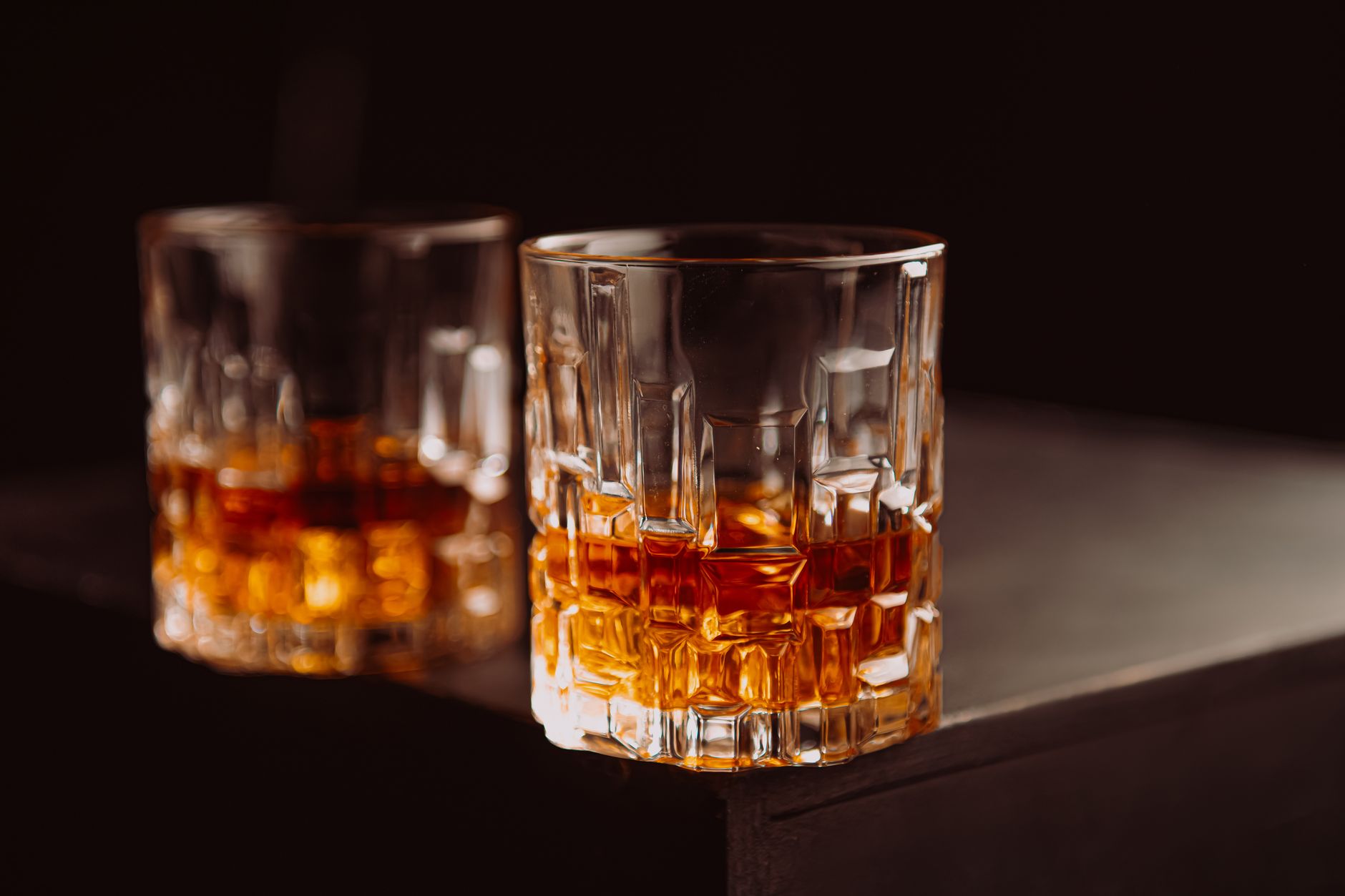
Charcuterie boards have officially evolved from appetizer status to main-event dining. In 2026, the “grazing dinner” trend has taken over Kentucky entertaining, with hosts building elaborate spreads of artisan cheeses, cured meats, and pickled vegetables that serve as the entire meal. But while wine has traditionally dominated the pairing conversation, bourbon cocktails for charcuterie boards are stealing the spotlight this season.
The shift makes sense. Bourbon’s natural caramel and vanilla notes bridge the gap between creamy cheeses and salty charcuterie, while the spirit’s spice cuts through rich fats better than most wines. Whether you’re hosting a Derby viewing party or an intimate autumn gathering, understanding how to match your board’s components with the right cocktail transforms good hosting into legendary status.
Why Bourbon Beats Wine for Grazing Tables
Traditional wine pairings often clash with the diverse flavors of a modern charcuterie board. A bold Cabernet overwhelms delicate goat cheese, while a light Pinot Grigio disappears against spicy salami. Bourbon cocktails offer structural advantages that wine simply cannot match.
The higher proof of bourbon provides what sommeliers call “palate cleansing”—the alcohol literally cuts through fat molecules, refreshing your taste buds between bites. When mixed into cocktails, bourbon’s inherent sweetness from corn mash (at least 51% corn by law) creates a natural bridge to both savory and sweet board elements. The charred oak aging introduces tannins that stand up to aged cheeses without the acidity that can make wine taste metallic against certain meats.
Current industry data supports this shift. According to 2026 beverage trend reports, bourbon-based aperitifs have seen a 34% increase in home entertaining purchases, specifically in the “grazing and gathering” category. Bartenders across Louisville are reporting that charcuterie-focused cocktail menus now outsell traditional wine flights during evening hours.
Matching Intensity: The Golden Rule of Board Pairing
The most common mistake hosts make is pairing delicate cheeses with high-proof, spirit-forward cocktails. Your bourbon cocktails for charcuterie boards should mirror the intensity of your food, not compete with it.
For soft, creamy cheeses (Brie, Camembert, fresh chèvre), choose lighter cocktails with citrus or floral notes. A Bourbon Lemonade with honey syrup and fresh thyme complements the butterfat without overwhelming the subtle mushroom notes in bloomy rinds. The citrus cuts through the richness while the honey echoes the cheese’s natural sweetness.
For hard, aged cheeses (18-month Gouda, aged Cheddar, Parmigiano-Reggiano), reach for stirred, spirit-forward drinks. An Old Fashioned made with a high-rye bourbon stands up to crystalline tyrosine crunch and nutty oxidation flavors. The cocktail’s Angostura bitters actually highlight the caramelized milk proteins in aged cheeses.
For blue cheeses (Stilton, Gorgonzola, Kentucky’s own Kenny’s Blue), sweet and strong is the only way to go. A Bourbon Milk Punch with vanilla bean and nutmeg tames the aggressive salt and mold flavors while the dairy fat in the cocktail mirrors the cheese’s richness. The combination creates a dessert-like experience that converts even blue cheese skeptics.
5 Bourbon Cocktails for Charcuterie Boards That Actually Work
These recipes are calibrated for grazing—meaning they’re balanced enough to sip over two hours without palate fatigue.
The Boardwalk Sour
2 oz bourbon (100 proof)
0.75 oz fresh lemon juice
0.5 oz maple syrup
0.5 oz egg white
2 dashes aromatic bitters
Dry shake, then shake with ice. Strain into a rocks glass over a large cube. The silky texture coats the mouth, making it perfect for triple-crème cheeses and pâté. The maple bridges the gap between savory meats and sweet accompaniments like honeycomb.
The Kentucky 75
1 oz bourbon
0.5 oz fresh lemon juice
0.5 oz simple syrup
3 oz dry sparkling wine
Shake bourbon, lemon, and syrup with ice. Strain into a flute and top with bubbles. This low-ABV option works for afternoon grazing and cuts through fatty salami and prosciutto. The effervescence scrubs the palate between bites of rich duck rillettes.
The Smoked Pear Smash
2 oz bourbon
1 oz fresh pear juice
0.5 oz lemon juice
0.5 oz simple syrup
3 fresh sage leaves
Muddle sage in syrup, add remaining ingredients, shake, and double-strain over crushed ice. The herbal notes complement rosemary-crusted salami and aged sheep’s milk cheeses, while the pear sweetness balances salty olives and cornichons.
The Fat-Washed Old Fashioned
2 oz bacon fat-washed bourbon
0.25 oz demerara syrup
2 dashes black walnut bitters
Stir with ice and strain over a large cube. Express an orange peel over the top. This umami bomb pairs specifically with charcuterie—the bacon fat washing technique (freezing bourbon with rendered bacon fat, then straining) creates a cocktail that tastes like the board itself. It’s rich, so serve in small portions alongside spicy coppa and chorizo.
The Grazing Spritz
1.5 oz bourbon
0.5 oz Aperol
0.5 oz grapefruit juice
2 oz soda water
Grapefruit peel
Build in a wine glass over ice. This low-alcohol option (approximately 8% ABV) allows for extended grazing without overwhelming the palate. The bitter orange notes cut through creamy cheeses while the grapefruit refreshes between bites of oily nuts and marinated vegetables.
Building Your Board Around the Bourbon
Reverse-engineering your charcuterie board based on your cocktail menu ensures harmony rather than competition. Start by selecting your bourbon expression first, then build outward.
If you’re pouring a wheated bourbon (soft, sweet, low spice), emphasize creamy textures and mild flavors. Include fresh mozzarella, burrata, mild salami, and dried apricots. Avoid aggressive blue cheeses or heavily smoked meats that will steamroll the whiskey’s subtlety.
For high-rye bourbons (spicy, bold, dry), lean into intensity. Aged Gouda, spicy soppressata, pickled onions, and whole-grain mustard stand up to the rye’s bite. The spice in the whiskey actually enhances the peppery notes in the meat.
Barrel-proof selections demand rich, fatty accompaniments. Think pork belly rillettes, aged Manchego, and Marcona almonds. The high alcohol content needs substantial fat to prevent the burn from dominating your palate.
Temperature matters more than most hosts realize. Serve your bourbon cocktails slightly cooler than room temperature—around 60°F—to maintain the aromatic compounds without numbing the palate. If your cheese is at room temperature (as it should be for optimal flavor), a slightly chilled cocktail provides a refreshing contrast.
Hosting Tips for the Perfect Grazing Experience
Timing your cocktail service with board progression prevents palate fatigue. Start with lighter, effervescent drinks like the Kentucky 75 during the first thirty minutes when guests are sampling delicate items like fresh cheeses and crudités. Transition to stirred, boozier options like the Fat-Washed Old Fashioned as the evening progresses and guests move toward the heavier charcuterie and aged cheeses.
Batch your cocktails. Pre-mixing your bourbon cocktails for charcuterie boards in pitchers allows you to enjoy your own party. Sours and smashes can be batched up to four hours ahead (add egg white or fresh herbs just before serving). Spirit-forward drinks like Manhattans or Old Fashioneds actually improve with a few hours of melding.
Provide palate cleansers between the board and the glass. Plain crackers, sparkling water, and apple slices reset the taste buds. Avoid serving bread with strong herbs or garlic, which can linger and clash with your next sip.
Finally, consider the visual presentation. Garnish your cocktails with elements from the board itself—a sprig of rosemary, a strip of prosciutto, or a skewer of olives. This creates a cohesive aesthetic that signals intentional pairing rather than random selection.
Elevate Your Next Gathering
Mastering bourbon cocktails for charcuterie boards transforms casual snacking into a curated culinary experience. The key lies in balancing intensity, respecting the interplay between fat and alcohol, and understanding that bourbon’s versatility makes it the ultimate companion to the diverse flavors of a well-built board.
Start with one cocktail and three complementary cheeses this weekend. Note how the vanilla in the bourbon echoes the caramel notes in aged Gouda, or how the spice in a rye whiskey makes peppered salami taste brighter. Once you experience how the right drink elevates simple ingredients, you’ll never default to wine again. Your charcuterie board deserves better—and so do your guests.