
Bourbon Crush Recipe Variations 2026: How Kentucky Bartenders Are Reinventing the Citrus Classic
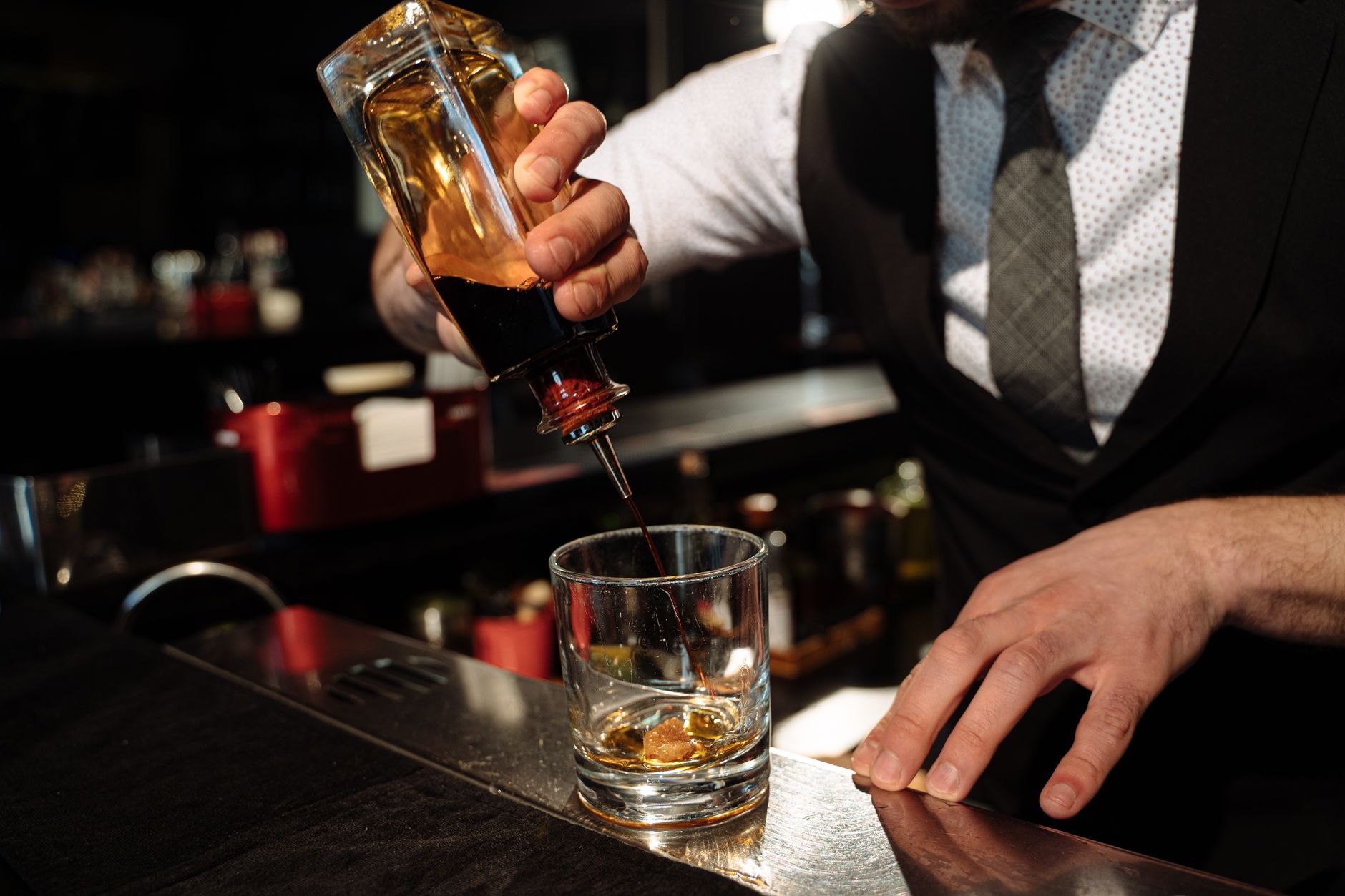
The first week of January 2026, Louisville’s bar scene did something unexpected: three separate distilleries launched “resolution-friendly” cocktail menus that refused to sacrifice flavor for restraint. At the center of this movement? A drink most people wrote off as a summer throwaway—the bourbon crush. What started as a simple marriage of bourbon, orange juice, and lemon-lime soda has become bartenders’ favorite canvas for proving that lighter doesn’t mean boring.
If you’re searching for bourbon crush recipe variations 2026, you’re catching this wave at exactly the right moment. Kentucky’s best bars are treating the crush like a blank sheet of music—same familiar rhythm, entirely new melodies. Below, you’ll find five variations that are actually worth your home bar time, plus the technique tweaks that separate a memorable crush from a forgettable one.
Why the Bourbon Crush Deserves Your Attention in 2026
Let’s be honest: the classic bourbon crush has an image problem. For years, it lived in the shadow of the Old Fashioned and the Manhattan, relegated to pool decks and cruise ship menus. But 2026’s cocktail trends—driven by what Kentucky bartenders call “intentional moderation”—have created perfect conditions for its revival.
The numbers tell part of the story. According to early 2026 data from the Kentucky Distillers’ Association, tasting room visits are up 18% year-over-year, but average pours per visitor are down 12%. People want to experience more without consuming more. The bourbon crush, with its built-in dilution and citrus brightness, delivers exactly that: full bourbon character in a sessionable format.
Lexington bartender Mara Whitfield, who developed the crush program at West Main Cocktail Lounge, puts it plainly: “My guests want to taste three different bourbons in an evening, not feel wrecked after two. The crush lets us showcase high-proof expressions without the wallop.”
The Smoked Citrus Crush: Barrel Room Technique at Home
The most talked-about bourbon crush recipe variations 2026 emerging from Louisville’s Proof on Main involves cold-smoked citrus before juicing. The technique sounds theatrical, but it’s surprisingly practical for home bartenders.
Here’s the specific method: halve two oranges and one lemon, place them cut-side down on a wire rack, and cold-smoke with applewood chips for 12 minutes. Juice immediately while the oils are still volatile. The result is a subtle savory depth that transforms the crush from sweet-tart to genuinely complex.
Build specs:
- 2 oz Elijah Craig Small Batch (or other 94-proof bourbon with vanilla backbone)
- 3 oz cold-smoked orange juice
- 0.5 oz fresh lemon juice
- 1 oz club soda (substituted for lemon-lime soda; the smoke provides enough intrigue)
- Orange wheel, torched, for garnish
The smoke integration works because it mirrors the barrel character already present in quality bourbon. You’re not adding foreign flavors; you’re amplifying existing ones.
The Bluegrass Honey Crush: Hyper-Local Sweetening
Central Kentucky’s 2026 honey harvest was exceptional—late rains followed by an extended warm period created unusually high nectar flow. Several distilleries, including Wilderness Trail and Castle & Key, have partnered with specific apiaries for “single-estate” honey programs.
The honey crush variation replaces standard simple syrup with wildflower honey diluted 2:1 with warm water. The key is using just enough sweetness to balance the citrus without masking the bourbon.
Build specs:
- 2 oz Four Roses Yellow Label
- 2.5 oz fresh orange juice
- 0.75 oz lemon juice
- 0.5 oz Kentucky wildflower honey syrup
- 2 oz dry sparkling water
- Lemon twist expressed over top
What separates this from a standard honey cocktail is the proportion. Most honey drinks err too sweet; this keeps the honey below the perceptual threshold where it becomes cloying. The bourbon remains the lead singer, honey merely the harmony.
The Zero-Proof Bourbon Crush: The 2026 Resolution Game-Changer
Perhaps the most significant bourbon crush recipe variations 2026 trend is the non-alcoholic version that doesn’t taste like a sad compromise. Kentucky’s growing non-alcoholic spirits market—led by brands like Spiritless and newcomer Oak & Still—has finally reached quality parity for this specific application.
The challenge with zero-proof crushes has always been body. Bourbon provides weight and texture that most NA alternatives lack. The 2026 solution? Bartenders are incorporating 0.25 oz of toasted oak tincture (available from several craft suppliers) to restore that mouthfeel.
Build specs:
- 2 oz Spiritless Kentucky 74 (or other quality NA bourbon alternative)
- 0.25 oz toasted oak tincture
- 3 oz fresh orange juice
- 0.5 oz lemon juice
- 1.5 oz lemon-lime soda
- Orange wheel and cherry
This variation matters because it’s not just for January. Data from Bardstown’s cocktail bars shows 23% of crush orders in February 2026 were non-alcoholic, suggesting sustained behavior change rather than temporary resolution gimmickry.
The Barrel-Aged Crush: Batch Preparation for Entertaining
Here’s where we depart from the crush’s “casual only” reputation. Several Kentucky restaurants, including Holly Hill Inn in Midway, have begun barrel-aging pre-mixed crush bases in small 2-liter oak casks for 10-14 days.
The technique works because the high acidity of the citrus prevents the oxidation that ruins most aged cocktails. The oak integration adds tannic structure that makes the crush surprisingly food-friendly—excellent with fried chicken, naturally, but also with grilled fish and summer vegetable dishes.
Batch specs (yields 8 servings):
- 16 oz bourbon (Weller Special Reserve works beautifully)
- 24 oz fresh orange juice
- 4 oz lemon juice
- Age in 2-liter oak cask for 12 days
- Serve over ice, top with 2 oz sparkling water per glass
The barrel-aged crush solves the “fresh juice at parties” problem. You batch ahead, the oak does the work, and your guests get something that feels crafted rather than convenient.
The Spiced Winter Crush: Rejecting Seasonal Limitations
The final variation challenges the assumption that crushes are exclusively warm-weather drinks. Louisville’s 2026 winter saw several bars keeping crushes on permanent menus through strategic spice integration.
The technique: create a cinnamon-clove-orange oleo saccharum by muddling orange peels with demerara sugar, cinnamon sticks, and whole cloves, then letting the mixture rest for 24 hours. The resulting syrup carries warming spice without the aggressive heat of ginger or pepper.
Build specs:
- 2 oz Buffalo Trace
- 2 oz fresh orange juice
- 1 oz spiced oleo saccharum syrup
- 0.5 oz lemon juice
- 2 oz hot sparkling water (yes, warm)
- Cinnamon stick garnish
Served in a heated mug, this variation extends the crush’s relevance across all twelve months—a practical consideration for home bartenders who don’t want single-season recipes cluttering their repertoire.
Building Your 2026 Bourbon Crush Home Program
The through-line connecting all these bourbon crush recipe variations 2026 is intentionality. Each variation solves a specific problem—smoke for complexity, honey for locality, zero-proof for moderation, barrel-aging for convenience, spice for seasonality.
Start with one variation that matches your actual drinking habits, not your aspirational ones. If you genuinely want to reduce alcohol consumption, begin with the zero-proof version. If you entertain monthly, the barrel-aged approach pays dividends. If you’re technique-curious, the smoked citrus rewards the effort.
The equipment investment is minimal: a $15 smoking gun (or even a covered grill with wood chips), a small oak cask if you choose that route, and quality citrus. The bourbon itself need not be precious—90-100 proof expressions with clear vanilla and caramel notes work better than allocated unicorns that would be lost in dilution.
The Last Sip: Why Variations Matter Now
As 2026’s cocktail culture continues its pivot toward “more experiences, less volume,” the bourbon crush stands as proof that restraint and creativity aren’t opposites. The best bourbon crush recipe variations 2026 aren’t chasing novelty for its own sake—they’re solving real problems for real drinkers who want to engage more deeply with bourbon without the historical baggage of overconsumption.
Whether you’re setting resolutions in January or simply bored with your standard rotation by June, these variations offer legitimate alternatives that respect both the bourbon and the drinker. The crush has finally grown up. Your home bar should reflect that evolution.