
Bourbon & Food Pairing Guide: Elevate Your Kentucky Dining
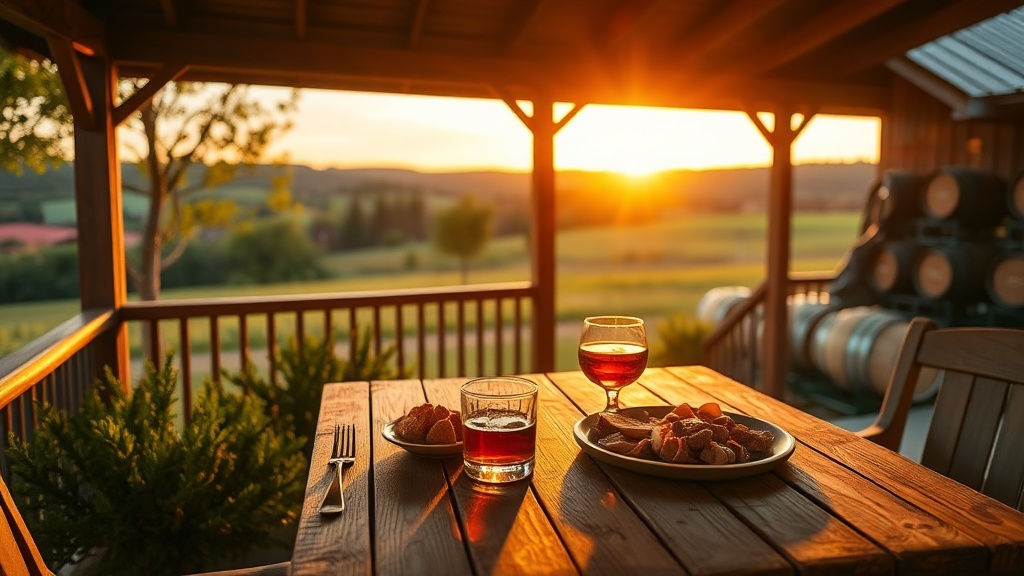
Bourbon & Food Pairing Guide: Elevate Your Kentucky Dining

Bourbon isn’t just for sipping neat or on the rocks. When paired thoughtfully with food, this American spirit transforms a good meal into an unforgettable culinary experience. Whether you’re exploring a Kentucky restaurant’s menu or crafting cocktails at home, understanding bourbon and food pairing principles will elevate your dining game significantly.
This guide reveals professional pairing strategies used by top bourbon bartenders and chefs across Kentucky, practical tips you can implement immediately, and specific cocktail recommendations for various cuisines.
Understanding Bourbon’s Flavor Profile
Before diving into pairings, you need to understand what you’re working with. Bourbon’s complex flavor profile varies significantly depending on the mashbill, proof, and age.
Key Bourbon Flavor Categories
High-rye bourbons feature spicy, peppery notes with hints of fruit and honey. These typically have proof ranging from 90-110+, creating sharper, more aggressive flavor profiles.
High-corn bourbons offer sweeter, fuller body with notes of vanilla, caramel, and oak. The higher corn content (typically 75-80%) produces a smoother, more approachable spirit.
Wheated bourbons use wheat instead of rye as the secondary grain, delivering creamy, soft characteristics with reduced spice and pronounced sweetness.
Small batch and single barrel releases provide concentrated flavors, often with higher proof levels and more pronounced oak influence.
Understanding these distinctions helps you make intelligent pairing choices. A spicy high-rye bourbon won’t complement delicate fish the same way a wheated bourbon would.
Bourbon Cocktails: Foundation for Food Pairing
While neat pours are classic, bourbon cocktails offer more versatility for food pairing. The additional ingredients—bitters, sweeteners, citrus—create new flavor bridges to food.
The Sazerac: Traditional Excellence
This New Orleans classic combines rye bourbon, absinthe, and Peychaud’s bitters. Its spicy, herbaceous profile pairs exceptionally well with:
- Charred steaks and smoked meats
- Creole-spiced dishes
- Rich, buttery shellfish preparations
- Aged cheddar and hard cheeses
The rye’s spice complements smoke and char, while the absinthe adds complexity that cuts through rich fats.
The Mint Julep: Refreshing Sophistication
Kentucky’s signature cocktail—bourbon, mint, sugar, and water—offers surprising pairing versatility. The mint’s cooling effect and subtle sweetness work beautifully with:
- Lamb dishes with Mediterranean herbs
- Summer vegetable preparations
- Light poultry dishes
- Bright, acidic seafood
Serve it chilled before dining to cleanse the palate and prepare your taste buds for the meal ahead.
The Old Fashioned: Universal Pairing Potential
This minimalist cocktail (bourbon, sugar, bitters, citrus twist) adapts to various situations. Use it with:
- Classic steakhouse fare
- Game meats with savory sauces
- Sharp cheddar and aged Gouda
- Dark chocolate desserts
The beauty of the Old Fashioned lies in its simplicity—you taste the bourbon’s character clearly, making it ideal for understanding bourbon-food interactions.
Master the Core Pairing Principles
Complementary Pairing
Match similar flavor profiles. A vanilla and caramel-forward bourbon pairs beautifully with desserts featuring those notes. A spicy rye complements chili-rubbed proteins.
Practical example: Serve a wheated bourbon cocktail with a sweet potato dish. Both share caramel and vanilla notes, creating harmony on the palate.
Contrasting Pairing
Oppose flavors to create balance. High-proof bourbon’s heat contrasts pleasantly with cool, creamy elements.
Practical example: Pair a 120+ proof bourbon with silky crab bisque. The spirit’s intensity cleanses the palate between spoonfuls of richness.
Intensity Matching
Pair delicate spirits with subtle foods, and bold spirits with assertive flavors. A 80-proof wheated bourbon gets lost against a heavily spiced chili; a 110+ proof high-rye bourbon overwhelms subtle ceviche.
Specific Cuisine Pairing Strategies
Southern and Soul Food
Best bourbon choice: High-corn bourbons or wheated bourbons at 90-100 proof
Southern cuisine’s rich, comforting qualities call for approachable bourbons that complement rather than compete. The natural sweetness of wheated bourbons mirrors fried chicken’s golden, savory exterior.
Specific pairings:
- Fried chicken: Buffalo Trace or Maker’s Mark
- Biscuits and gravy: Wheated bourbon neat or in a Sazerac variation
- Collard greens: Spicy rye-forward cocktail
- Mac and cheese: Creamy whiskey cocktail with honey
Steakhouse Dining
Best bourbon choice: High-rye, high-proof bourbons (100+ proof)
Steak demands bold bourbon with enough structure to stand up to fat and umami intensity. The char from grilling pairs beautifully with oak-forward, slightly tannic bourbons.
Specific pairings:
- Ribeye: 110+ proof high-rye bourbon neat or in an Old Fashioned
- Filet mignon: Wheated bourbon for elegance
- Smoked brisket: Rye-forward Sazerac cocktail
- Blue cheese crust: High-corn bourbon with vanilla notes
Seafood and Lighter Fare
Best bourbon choice: Lower-proof wheated or lighter bourbons (80-90 proof)
Delicate seafood requires restraint. Heavy-handed bourbon overwhelms subtle fish and shellfish flavors.
Specific pairings:
- Grilled salmon: Wheated bourbon or bourbon sour with egg white
- Shrimp and grits: Mint Julep
- Oysters: Neat pour of wheated bourbon
- Ceviche: Light bourbon cocktail with citrus elements
Spicy Cuisine
Best bourbon choice: Medium-proof high-corn bourbons (90-100 proof)
Spice intensity requires thoughtful balance. High-proof spirits intensify heat; sweet bourbons provide cooling relief.
Specific pairings:
- Thai curry: Wheated bourbon with cooling sweetness
- Cajun preparations: Spicy rye cocktail (intensity matches intensity)
- Indian curries: Bourbon sour with honey
- Jerk chicken: Wheated bourbon on the rocks
Restaurant Selection and Ordering Strategy
When dining at Kentucky restaurants, apply these professional strategies:
Ask Questions
Inform your server about bourbon interest. Quality establishments train staff on their bourbon program. Request recommendations based on your menu selection.
Study the Bourbon List
Don’t just order by brand name. Examine proof levels and age statements. A 4-year-old high-rye bourbon at 110 proof tells you exactly what you’re getting—bold and spicy.
Sample Strategically
Order bourbon flights before dining. Many restaurants offer 1-ounce pours of three selections. This educated approach prevents expensive mistakes and guides dinner selections.
Consider Cocktails First
A well-crafted cocktail provides more pairing flexibility than neat pours. The bartender’s additions create bridges to your food choices.
Actionable Tasting Experience
Here’s how to conduct a productive bourbon and food pairing session at home:
- Select three bourbons with different profiles (high-rye, high-corn, wheated)
- Pour 1-ounce samples of each, neat in separate glasses
- Prepare contrasting foods: grilled meat, creamy cheese, something spiced
- Taste bourbon first, identifying flavor notes
- Take small bites of food, then taste bourbon again
- Document preferences (which combinations resonated, which didn’t)
- Experiment with temperature: slightly warmed vs. chilled
This methodical approach builds your pairing intuition quickly.
Advanced Pairing Techniques
Proof Progression
Serve lower-proof bourbons early in dining, progressing to higher-proof selections. This prevents palate fatigue and maintains sensation progression.
Temperature Manipulation
Warmer bourbon opens up vanilla and oak notes (excellent with desserts). Chilled bourbon brightens citrus and spice (ideal before meals).
Barrel Influence Consideration
Bourbon aged in charred new barrels develops different characteristics than bourbons in reused barrels. Charred barrel bourbons suit grilled foods; reused barrel bourbons pair better with refined preparations.
Conclusion
Bourbon and food pairing isn’t mystical—it’s practical skill built on understanding flavor profiles and matching intensity levels. Start with the core principles, experiment with the specific pairings outlined here, and trust your palate.
Whether you’re exploring bourbon cocktails at a local restaurant or crafting drinks at home, these strategies will consistently elevate your dining experience. Kentucky’s bourbon heritage deserves thoughtful appreciation, and meaningful food pairings unlock dimensions of flavor that simple sipping never reveals.
Begin with one pairing this week. Notice what works. Build from there. Your bourbon journey deepens with each intentional choice.