
Fall Bourbon Cocktails with Maple Syrup: 5 Recipes That Rival Kentucky's Best Bar Menus
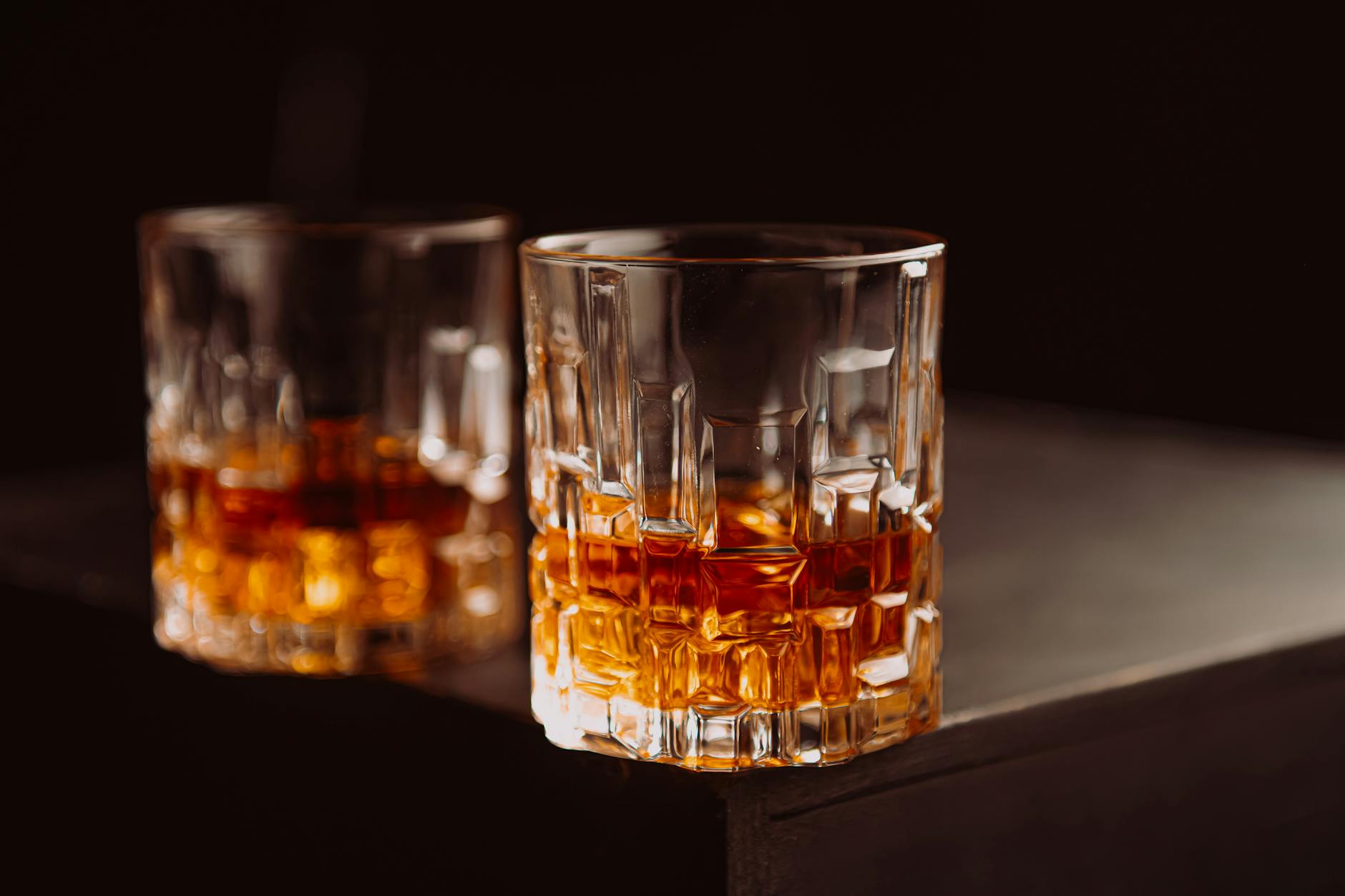
The bourbon world is already looking ahead. Industry forecasters recently highlighted “10 Popular Bourbon Cocktails to Master in 2026,” and one trend is impossible to ignore: bartenders are returning to hyper-local, slow-food ingredients. Maple syrup—harvested from Appalachian sugar shacks and Kentucky’s own emerging maple groves—is replacing simple syrup in serious fall programs from Louisville to Lexington. If you’re still shaking bourbon with basic sugar water, you’re missing the depth that makes these drinks unforgettable.
Fall bourbon cocktails with maple syrup aren’t just sweet swaps. They’re about terroir, technique, and timing. Maple brings minerals, caramelization complexity, and a subtle funk that simple syrup can’t touch. But it also brings challenges: too much, and your drink becomes pancake-adjacent. Too little, and you’ve wasted a $15 bottle of small-batch syrup. Here’s how to nail the balance with five recipes and techniques that belong in your permanent rotation.
Why Maple Syrup Changes Everything About Fall Bourbon Mixing
Most home bartenders treat maple syrup as a 1:1 simple syrup replacement. That’s where things go wrong. Maple syrup averages 67% sugar versus simple syrup’s 50%, plus it carries volatile aromatics that shift dramatically when heated or shaken cold.
Kentucky bartenders at spots like The Silver Dollar in Louisville and Middle Fork Kitchen Bar in Lexington have developed a standard: reduce your maple by 25-30% compared to whatever simple syrup quantity a recipe calls for, then adjust to taste. Start with 0.5 oz maple where you’d use 0.75 oz simple. The result? Proper dilution, balanced sweetness, and the maple’s woodsy character stays present without overwhelming the bourbon.
Another pro move: grade matters. Grade A Dark Color, Robust Taste (formerly Grade B) holds up against high-proof bourbon far better than the lighter Amber grade. The darker stuff costs more, but its intensity means you use less—often saving money per drink.
Temperature technique separates decent drinks from exceptional ones. Cold-shaking maple syrup straight from the refrigerator creates viscosity issues. Let it warm to room temperature, or better yet, make a maple dilution: combine equal parts maple syrup and hot water, stir until dissolved, then cool. This “maple simple” integrates seamlessly into stirred and shaken drinks alike.
The Appalachian Old Fashioned: A Smoky Twist on the Classic
This isn’t your grandfather’s Old Fashioned, though he’d probably approve. The Appalachian version builds on the 2026 trend of smoked modifiers—ingredients that add depth without requiring actual smoke guns or theatrical tableside service.
Ingredients:
- 2 oz high-rye bourbon (Wild Turkey 101 or Old Forester Rye work beautifully)
- 0.25 oz Grade A Dark maple syrup
- 2 dashes black walnut bitters
- 1 dash Angostura bitters
- Orange peel, expressed and discarded
- Fat-washed bourbon option: Replace standard bourbon with bourbon that’s spent 24 hours mingling with browned butter (see technique below)
Build: Stir all ingredients with ice for 30 seconds. Strain over one large cube. Express orange oils over the surface, then discard the peel.
The black walnut bitters bridge maple and bourbon in ways Angostura alone cannot. The nuttiness echoes maple’s own woodsy origins, creating a through-line that tastes intentional rather than assembled.
Browned butter fat-wash technique: Melt 4 tablespoons unsalted butter in a saucepan, cook until milk solids turn deep amber and nutty-smelling (about 5 minutes). Cool slightly, combine with 750ml bourbon in a sealed container. Freeze 24 hours, then strain through cheesecloth. The result adds savory depth that makes the maple feel like a natural extension rather than a sweet addition.
The Maple Bourbon Sour: Textural Secrets from Louisville’s Best Bars
Louisville’s cocktail renaissance has produced one non-negotiable technique: dry shaking for texture. Most home recipes skip this, producing thin, forgettable sours. Louisville bartenders at establishments like Hell or High Water Water and Repeal Oak Fired Steakhouse treat the dry shake as sacred.
Ingredients:
- 2 oz wheated bourbon (Maker’s Mark or W.L. Weller Special Reserve)
- 0.75 oz fresh lemon juice
- 0.5 oz maple syrup (room temperature)
- 1 egg white or 0.75 oz aquafaba
- 2 drops saline solution (20% salt water)
Build: Combine all ingredients without ice. Shake vigorously for 15 seconds—this is your dry shake, emulsifying the proteins. Add ice, shake again for 12 seconds. Double-strain into a chilled coupe. Garnish with a few drops of Angostura floated on foam, then drag a toothpick through for design.
The saline solution is the hidden weapon. Just two drops amplifies sweetness perception without adding saltiness, letting you use less maple while achieving fuller flavor. This trick, borrowed from modernist kitchens, is spreading through Kentucky bars and deserves home adoption.
For a seasonal variation, replace 0.25 oz of the bourbon with applejack or Laird’s Bonded Apple Brandy. The apple bridges autumn expectations with the maple’s forest-floor character.
The Kentucky Maple Buck: Highball Technique Most Home Bartenders Botch
Highballs seem simple. They’re not. The difference between a flat, overly sweet maple buck and a refreshing, layered one comes down to carbonation management and temperature math.
Ingredients:
- 2 oz bourbon (80-90 proof; higher proof fights the ginger too aggressively)
- 0.5 oz maple syrup
- 0.5 oz fresh lime juice
- 4 oz quality ginger beer (Fever-Tree or Q Mixers; not ginger ale)
- Lime wheel and candied ginger for garnish
Build: Chill your glass for 10 minutes in the freezer. Combine bourbon, maple, and lime in the glass, stir briefly. Add ginger beer slowly, pouring down a bar spoon or ice cube to preserve carbonation. Add ice last, not first—pre-chilling the glass means less ice melt and maintained effervescence.
The critical error: most people build highballs by adding ice, then ingredients, then topping. This murders carbonation through thermal shock and dilution. The reverse build—chilled glass, ingredients, gentle carbonation, ice last—keeps bubbles alive for the entire drinking experience.
For a Kentucky-specific twist, seek out Kentucky-made ginger beer. Several Louisville microbreweries now produce versions with more ginger heat and less sweetness than national brands, creating better balance against maple’s richness.
Batch Preparation: Scaling Fall Bourbon Cocktails with Maple Syrup for Holiday Hosting
The holiday season demands efficiency without sacrificing quality. Maple syrup’s stability makes it ideal for batched cocktails, but scaling requires mathematical precision, not multiplication alone.
The 8-serving Maple Bourbon Punch:
Combine in a sealed container:
- 16 oz bourbon (choose something crowd-pleasing: Buffalo Trace, Four Roses Yellow Label)
- 4 oz Grade A Dark maple syrup
- 8 oz fresh lemon juice, strained
- 4 oz apple cider (unfiltered, refrigerated, not shelf-stable)
- 8 dashes Angostura bitters
Refrigerate up to 72 hours. The cider’s pectin and the maple’s minerals actually improve integration over 24-48 hours, creating a more cohesive drink than immediate serving.
Service: Pour 4 oz base over ice in a rocks glass, top with 2 oz chilled sparkling cider or ginger beer. Garnish with apple slice and cinnamon stick.
Critical batching rule: Never batch egg whites or aquafaba ahead. For sours at scale, provide a small pitcher of pre-separated egg whites with a bar spoon, letting guests add their own if desired, or skip the foam entirely in favor of a clean, bright sour.
Conclusion: Making Fall Bourbon Cocktails with Maple Syrup Your Signature
Fall bourbon cocktails with maple syrup reward the detail-oriented drink maker. The difference between amateur and professional results isn’t expensive equipment—it’s understanding how maple’s intensity, temperature sensitivity, and mineral content interact with bourbon’s own complexity.
Start with one technique from this guide: perhaps the dry shake for texture, or the chilled-glass highball build, or the saline solution trick. Master it, then layer in another. The 2026 cocktail trend toward local, intentional ingredients isn’t about perfection on the first attempt. It’s about building drinks that tell a story—of Kentucky bourbon heritage, of Appalachian maple traditions, of autumn itself in liquid form.
The best fall bourbon cocktail you’ll make this season might not come from this exact recipe. It’ll come from understanding why these techniques work, then adapting them to your own palate, your own bourbon collection, your own maple source. That’s the Kentucky way: respect tradition, then make it unmistakably yours.