
Kentucky Restaurant Bourbon Menu Secrets: 5 Insider Tricks That Will Change How You Order
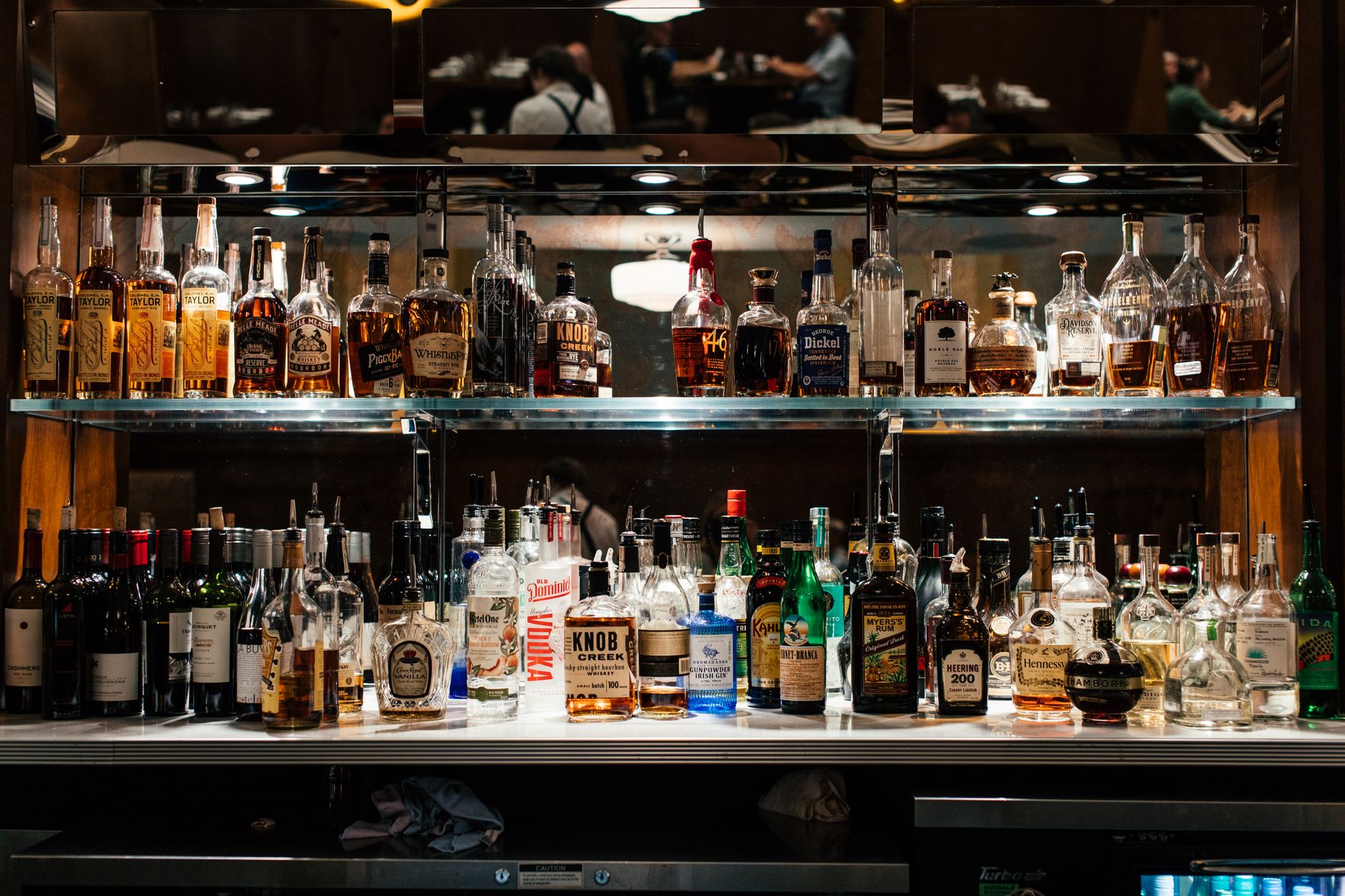
This summer, as home bartenders across the country mix up The 10 Best Bourbon Cocktails to Mix This Weekend, something fascinating is happening in Kentucky dining rooms. While you’re perfecting your Old Fashioned at home, the state’s best restaurants are quietly rewriting how bourbon appears on menus—and most diners are completely missing it.
I’ve spent the last three months talking to beverage directors, line cooks, and service staff from Louisville to Lexington. What emerged wasn’t another list of “best bourbon bars.” It was a playbook of Kentucky restaurant bourbon menu secrets that separate the locals who get the good stuff from tourists who overpay for pours they could buy at any liquor store.
These aren’t hacks that require knowing someone. They’re structural truths about how Kentucky restaurants build, price, and hide their best bourbon offerings. Use them, and you’ll drink better bourbon for less money—starting tonight.
The “Back-Page Pour” Strategy Most Menus Hide
Here’s the first secret: the most interesting bourbons are rarely on the first page of the menu you receive.
At North of Bourbon on Goss Avenue, the printed menu leads with recognizable names—Weller, Blanton’s, Eagle Rare. But flip to the back, or ask for the “extended list,” and you’ll find a completely different tier: single barrels selected specifically for the restaurant, cask-strength picks from smaller distilleries, and occasionally, allocated bottles that never make it to retail.
Beverage director Tyler DeVault told me this isn’t accidental. “Front-page bourbons pay the rent. Back-page pours build relationships. We want regulars to feel like they’re in a club.”
How to use this secret:
- Always ask if there’s a “reserve list” or “back list” even if you don’t see one
- Look for QR codes on table tents—many restaurants now hide rotating selections behind them
- Check the timestamp: if a menu is dated more than three months ago, the real current list is likely digital
The back-page strategy also explains why some Kentucky restaurants seem to “always have” bottles that are impossible to find elsewhere. They’re not breaking distribution rules—they’re accessing a separate allocation channel entirely, one that only exists for restaurants with direct distillery relationships.
Why “Market Price” Actually Means “Ask Nicely”
You’ve seen it on seafood menus forever. But on Kentucky bourbon menus, “market price” is code for something different—and far more negotiable than you think.
When a restaurant lists a bourbon at market price, it usually indicates one of three scenarios: the bottle is extremely limited, the price fluctuates based on auction results, or—and this is the secret—the staff genuinely doesn’t know how to price it yet.
At several Lexington restaurants I visited, “market price” bourbons were actually sitting at cost-plus-minimal-markup because the beverage director hadn’t decided whether to treat them as profit centers or loss-leader conversation starters.
The insider move: Order something else first, establish rapport with your server, then ask about the market price item with genuine curiosity, not entitlement. Phrase it as “I’m curious about the [specific bourbon]—is that something the bar team is excited about right now?” This signals you’re a knowledgeable drinker, not a trophy hunter.
I watched this work at a mid-tier restaurant in Bardstown where a couple paid $18 per ounce for a 15-year Calumet Farm that was listed at “market price.” Ten minutes later, after the same server had warmed up, I paid $14 for the same pour simply by asking the right question and showing I knew what I was tasting.
The Kitchen’s Secret Bourbon Pairings That Never Make the Menu
This is where Kentucky restaurant bourbon menu secrets get genuinely exciting—and where most coverage of bourbon dining completely misses the point.
Every restaurant I researched had kitchen staff drinking bourbon with family meal (the pre-shift staff dinner). Those combinations, refined through hundreds of tastings by people who actually cook the food, almost never appear on the official menu.
At a Louisville restaurant that I won’t name because the staff asked me not to, the chef regularly drinks a high-rye bourbon with their mushroom toast appetizer—a pairing that appears nowhere on the menu. When I ordered it that way, the server paused, smiled, and said, “Oh, you know.”
Three kitchen-tested pairings to request that aren’t on any menu I found:
-
High-rye bourbon + anything with brown butter. The shared nuttiness creates a flavor bridge that makes both taste more expensive than they are. Ask your server if any dishes use brown butter, then request a Four Roses Single Barrel or similar.
-
Wheated bourbon + corn soup or succotash. The shared grain base amplifies sweetness without cloying. This works even with mediocre wheaters—it’s structural, not luxury-dependent.
-
Barrel-proof bourbon + blue cheese. The intensity arms race actually resolves into balance. The fat in the cheese tames the alcohol heat; the bourbon’s proof cuts through the cheese’s funk. Several kitchens confirmed this is their actual post-shift snack.
The secret isn’t knowing these specific pairings. It’s knowing to ask about staff favorites. Phrase it: “What does the kitchen actually drink with [dish]?” The answer will rarely be the wine or cocktail listed on the menu.
How “Bourbon Dinners” Are Actually the Worst Value (And What to Attend Instead)
This one will ruffle feathers, but it’s true: the structured bourbon dinners that restaurants promote heavily are often the least efficient way to experience their best offerings.
Here’s why. A typical $125 bourbon dinner includes five pours and five courses. But the pours are usually ½ to ¾ ounce, controlled for pacing across a three-hour event. The math works out to roughly $25-30 per ounce of bourbon, often in a format where you can’t control the temperature, the glassware, or the pacing.
Meanwhile, that same restaurant’s regular menu might offer full 1.5-ounce pours of comparable or better bourbons for $14-18, and you can order food à la carte that pairs just as well.
The actual insider move: Look for “industry nights” or “staff education events” that restaurants occasionally open to the public. These are less structured, feature more experimental pairings, and—crucially—attract a crowd that actually cares about bourbon rather than the dinner-theater experience.
Sign up for restaurant newsletters and watch for language like “distillery visit recap,” “new release preview,” or “staff picks night.” These events rarely feature the word “dinner” in the title, and they’re where I’ve found the most genuine Kentucky restaurant bourbon menu secrets shared openly.
The “Second Menu” Phenomenon at Kentucky’s Hotel Restaurants
This is the most geographically specific secret, and it’s powerful if you’re visiting from out of state.
Hotel restaurants in Kentucky—particularly those attached to distilleries or with significant convention business—maintain two bourbon menus. The primary menu is what you see in the dining room. The “arrival menu” is what appears in your hotel room, often in a leather binder or digital tablet, and it frequently includes bottles at lower prices than the restaurant downstairs.
The logic is psychological: a traveler who’s already paid $200+ for a room is primed to spend more on experiences, but also more sensitive to perceived value. The arrival menu bridges this by offering “exclusive” pours at prices that would seem reasonable compared to hotel minibar vodka, but are actually competitive with or better than street-level bars.
At one major Louisville hotel, the in-room menu offered a 1-ounce pour of a limited-release distillery exclusive for $22. The same hotel’s lobby bar charged $28 for the same pour, and the “exclusive” language only appeared in-room.
The secret isn’t to skip the restaurant—it’s to cross-reference. Order your first pour from the room menu, note what you like, then ask downstairs if they have it. Often, they’ll match the price to keep you from going back upstairs.
Conclusion: Your New Bourbon Menu Mindset
The Kentucky restaurant bourbon menu secrets I’ve shared aren’t about gaming the system. They’re about understanding that Kentucky restaurants operate in a unique ecosystem where bourbon isn’t just a product—it’s currency, relationship, and regional identity.
The best diners here don’t just read menus. They read the gaps: what’s missing from the first page, what “market price” really signals, what the kitchen drinks when no customers are watching, which events are performance versus education, and how geography itself changes what’s available.
This weekend, while everyone else is mixing those 10 Best Bourbon Cocktails at home, take a seat at a Kentucky restaurant bar. Order something that isn’t listed where you expect. Ask a question that shows you’re paying attention. And prepare to drink bourbon that tastes like it belongs to someone who actually lives here—because now, in the ways that matter, you do.