
Smoked Old Fashioned Recipe Variations: 5 Wood, Smoke, and Sweetener Twists to Master in 2026
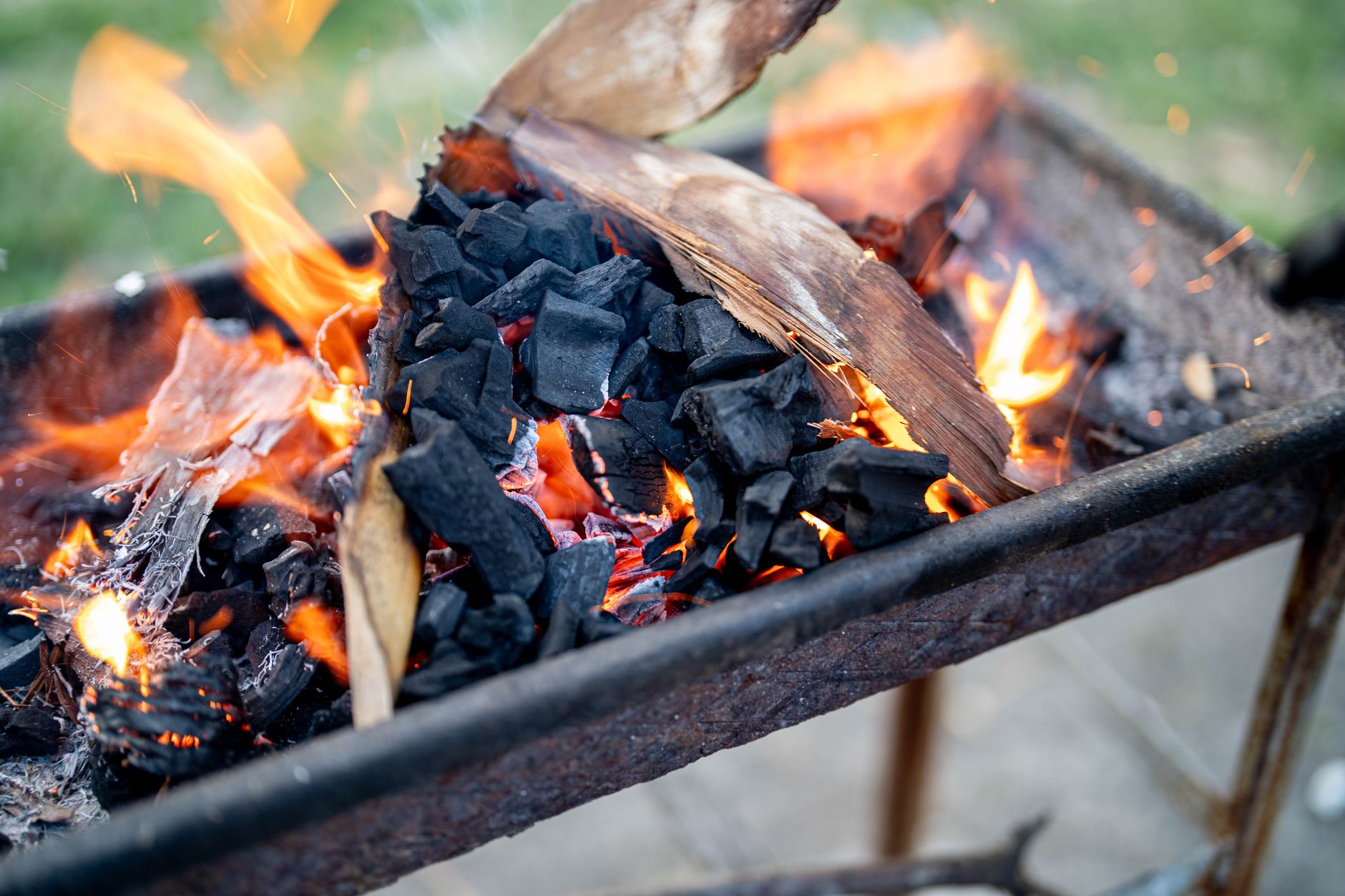
Walk into any craft cocktail bar from Louisville to Lexington this fall, and you’ll notice something: the theatrical smoke bubble has officially moved from Instagram gimmick to serious flavor tool. With home smoking kits now outselling jiggers in some Kentucky liquor stores, drinkers are realizing that smoked old fashioned recipe variations aren’t just about drama—they’re about unlocking new dimensions in America’s native spirit. Whether you’re working with a handheld smoker, a smoke gun, or even a cedar plank, the right variation can transform your standard build into something that rivals the $18 versions at high-end bourbon bars.
The beauty of the smoked old fashioned lies in its simplicity: bourbon, sugar, bitters, and smoke. But within those four elements lies endless possibility. Here are five distinct smoked old fashioned recipe variations that go beyond the basic cherry wood chip routine, each designed to highlight different characteristics in your favorite bottle.
Why Smoke Matters More Than Ever in 2026
The current bourbon renaissance has shifted from rare bottle hunting to technique-driven appreciation. Bartenders at spots like Louisville’s Proof on Main and Lexington’s The Sage Rabbit are treating smoke as an ingredient rather than a garnish, using specific wood varietals to complement mash bills. The science is simple: smoke particles bind to the ethanol and oils in bourbon, carrying aromatic compounds that would otherwise evaporate. When you nail the ratio—typically 30 to 45 seconds of smoke contact for a standard rocks glass—you’re essentially barrel-aging your cocktail in real time.
The key is controlling density. Too much smoke overwhelms the bourbon’s vanilla and caramel notes; too little leaves you with a campfire water. These smoked old fashioned recipe variations solve that by matching wood intensity to bourbon proof and flavor profile.
The Classic Oak & Cherrywood Split
This is the gateway variation that works with virtually any Kentucky straight bourbon, but it shines brightest with wheated expressions like Maker’s Mark or Larceny. The combination of oak (the barrel’s natural flavor) and cherrywood (fruity sweetness) creates a bridge between the whiskey’s grain and the smoke.
Build:
- 2 oz wheated bourbon (90-100 proof)
- 1 demerara sugar cube
- 2 dashes Angostura bitters
- 1 dash orange bitters
- Ice sphere or large cube
Smoke technique: Use a 50/50 blend of oak and cherrywood chips in your smoking gun. Fill the glass with smoke, cover with a coaster for 35 seconds, then stir the cocktail and pour it into the smoked glass. The residual smoke clings to the ice as it melts, gradually releasing flavor rather than hitting you all at once.
Pro tip: If you’re using a cloche or glass dome, lift it just enough to drop the ice in, then re-cover for 10 seconds. This “double smoke” method layers the aroma.
Maple-Smoked with Applewood and Toasted Pecan
As we head into fall 2026, maple syrup is having a moment beyond breakfast. This variation swaps simple syrup for Grade A Dark maple syrup and pairs it with applewood smoke, creating a profile that screams Kentucky autumn without veering into pumpkin spice territory.
Build:
- 2 oz high-rye bourbon (like Four Roses Small Batch or Wild Turkey 101)
- 1/4 oz pure maple syrup (not pancake syrup)
- 2 dashes black walnut bitters
- 1 dash aromatic bitters
- Orange peel (expressed, then dropped in)
Smoke technique: Applewood chips provide a lighter, sweeter smoke that won’t overpower the maple. For an advanced move, add a single toasted pecan to the smoking chamber—the nut oils combust slightly, adding a fatty richness that rounds out the rye spice. Smoke for 40 seconds.
The result tastes like pecan pie in a glass, but the rye backbone keeps it dry enough for serious bourbon drinkers. This pairs exceptionally well with aged gouda or charcuterie.
The Barrel-Proof Charred Hickory
When you’re working with barrel-proof monsters like Booker’s or Elijah Craig Barrel Proof (typically 120-130 proof), you need a smoke that can stand up to the heat. Hickory—the same wood used in Kentucky barbecue—brings a bacon-like savoriness that tames ethanol burn while amplifying the charred oak notes from the barrel.
Build:
- 2 oz barrel-proof bourbon (120+ proof)
- 1/4 oz rich demerara syrup (2:1 sugar to water)
- 3 dashes Angostura bitters
- Lemon peel (expressed and discarded—no garnish)
Smoke technique: Use hickory chunks rather than chips for a heavier, more persistent smoke. The key here is to smoke the glass while the cocktail stirs separately. Fill the rocks glass with dense hickory smoke, cover tightly, and let it sit for a full minute while you stir the bourbon with ice. Strain into the smoke-filled glass and serve immediately.
The high proof cuts through the heavy hickory, while the lemon oil adds a bright top note that prevents the drink from tasting like an ashtray. This is one of those smoked old fashioned recipe variations that actually benefits from a slight dilution—the water opens up the bourbon and integrates the smoke.
Coffee-Infused Smoked Old Fashioned
Coffee and bourbon are natural partners, but cold brew coffee liqueur can make an old fashioned cloying. Instead, this variation uses coffee beans in the smoking process to add roasted bitterness without extra sugar.
Build:
- 2 oz bourbon with chocolate notes (try Woodford Reserve Double Oaked)
- 1/4 oz simple syrup
- 2 dashes chocolate bitters
- 1 dash orange bitters
- No garnish (the coffee aroma is enough)
Smoke technique: Combine oak chips with a tablespoon of whole coffee beans (dark roast works best) in your smoking device. The beans smolder rather than burn, releasing oils that smell like a Kentucky coffee shop. Smoke the glass for 45 seconds, then build the drink directly in the smoked vessel.
The coffee smoke binds to the bourbon’s congeners, creating a mocha effect that doesn’t rely on actual coffee in the drink. It’s particularly effective with dessert pairings—think dark chocolate torte or bourbon balls.
The Smoked Honey & Lavender
For those who find traditional old fashioneds too austere, this floral variation uses honey syrup and a lavender smoke that softens the bourbon’s edges without turning it into a different cocktail entirely.
Build:
- 2 oz soft, floral bourbon (like Basil Hayden’s or Four Roses Yellow Label)
- 1/4 oz honey syrup (3:1 honey to water)
- 2 dashes lavender bitters (or 1 dash lavender + 1 dash Angostura)
- Fresh lavender sprig for garnish
Smoke technique: Mix dried culinary lavender buds with oak chips at a 1:4 ratio. Too much lavender and your drink tastes like soap; the oak grounds it. Smoke for only 25-30 seconds—lavender smoke is potent and turns bitter quickly.
This works beautifully as a pre-dinner drink, especially with goat cheese or honey-drizzled biscuits. The floral notes highlight the botanicals in the bourbon rather than masking them.
Mastering Your Smoke Technique
Regardless of which smoked old fashioned recipe variations you try, technique matters more than equipment. You don’t need a $200 smoking gun—a $15 handheld smoker or even a cedar plank and a kitchen torch will work. The variables to control are:
Smoke density: Start with less wood than you think you need. You can always add more smoke, but you can’t remove it.
Glass temperature: Chill your glass before smoking. Cold glass holds smoke longer and prevents the ice from melting too quickly when it hits the liquid.
Cover time: Use a coaster, small plate, or specialized cocktail cloche. The longer the smoke sits (up to 60 seconds), the more intense the flavor. For subtle smoke, 20 seconds is plenty.
Ice strategy: Large format ice melts slower, keeping the smoke integrated rather than diluted. If you only have standard cubes, smoke the glass separately and pour the stirred cocktail over fresh ice.
Conclusion
The best smoked old fashioned recipe variations respect the bourbon first and the theater second. As we move deeper into 2026, the trend is shifting away from smoke bombs and toward thoughtful pairings—matching wood species to mash bills, adjusting sweeteners to complement smoke intensity, and treating the cocktail as a holistic sensory experience. Start with the oak and cherrywood split to calibrate your palate, then experiment with the hickory or coffee variations once you’ve dialed in your timing. Your home bar might not have a $10,000 bourbon selection, but with these techniques, you can create complexity that rivals any high-end cocktail lounge. Just remember: the smoke should enhance the whiskey, not hide it. Now grab your favorite bottle, fire up those wood chips, and taste what all the fuss is about.