The Best Bourbon Cocktails for Chocolate Desserts: A Kentucky Pastry Chef's Pairing Guide
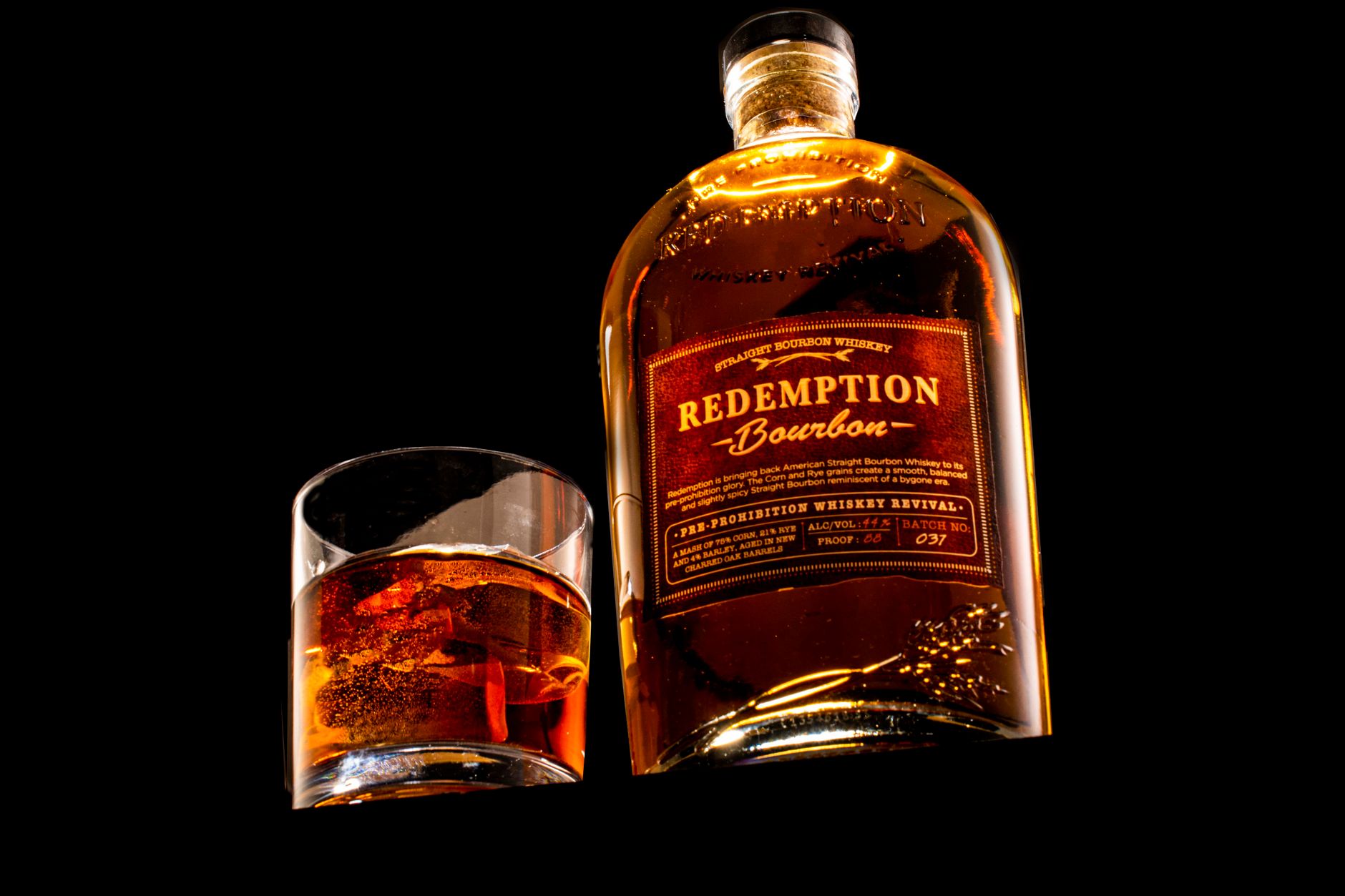
The after-dinner drink is having a renaissance in 2026, and Kentucky restaurants are leading the charge. Across Louisville and Lexington, pastry chefs are collaborating with bar directors to build “dessert cocktail” menus that sell out nightly. At Proof on Main in Louisville, their new chocolate-bourbon pairing flight moved 340 covers in its first month this summer—double their projections. The reason? Diners no longer want to choose between dessert and a nightcap. They want both, harmonized.
This guide delivers exactly that: bourbon cocktails for chocolate desserts that transform your final course from an afterthought into the evening’s crescendo. These aren’t generic “pour whiskey with brownie” suggestions. They’re structured pairings built on flavor chemistry, tested in Kentucky kitchens, and calibrated for home execution.
Why Bourbon and Chocolate Work (The Science Behind the Magic)
Before mixing a single drink, understand the architecture of this pairing. Bourbon and chocolate share dominant flavor compounds—vanillin, lactones, and roasted pyrazines—that create what’s called a “flavor bridge.” When your palate detects the same molecule in both the sip and the bite, the brain registers harmony rather than competition.
The proof matters more than you think. Chocolate’s cocoa butter coats your tongue, dulling subtle flavors. A bourbon cocktail between 40-50% ABV (80-100 proof) cuts through that fat with enough ethanol to cleanse your palate, but not so much that it scorches the chocolate’s nuances. This is why a 140-proof barrel-strength pour rarely works with delicate desserts, while a diluted cocktail shines.
Temperature plays a role too. Warm chocolate desserts (lava cakes, soufflés) need cooler cocktails to create contrast. Room-temperature chocolates (truffles, ganache tarts) pair with slightly warmer serves. Kentucky’s Rabbit Hole Distillery actually trains their tasting room staff on this thermal dynamic for their chocolate pairings—it’s that precise.
5 Bourbon Cocktails for Chocolate Desserts, Matched by Intensity
Not all chocolate is created equal. A 70% Ecuadorian dark chocolate demands a different partner than milk chocolate mousse. Here’s your field-tested pairing matrix.
The Boulevardier Twist with Dark Chocolate Torte
The classic Boulevardier (bourbon, sweet vermouth, Campari) gets a dessert makeover: substitute Cocchi Vermouth di Torino for standard sweet vermouth and add a 1/4 oz of crème de cacao. The result balances Campari’s bitter orange against dark chocolate’s astringency.
Pair with: Flourless chocolate torte or single-origin truffle plate. The cocktail’s bitterness prevents the chocolate from tasting flat or overly sweet.
Kentucky reference: Lexington’s Middle Fork Kitchen Bar serves a version with local Wilderness Trail bourbon and house-made cocoa bitters.
Bourbon Milk Punch with Milk Chocolate Panna Cotta
Clarified milk punch—bourbon, whole milk, lemon, sugar, then strained through cheesecloth—produces a silky, translucent cocktail that looks like white wine but tastes like liquid comfort. The milk proteins bind to tannins, smoothing the bourbon’s edge.
Pair with: Milk chocolate panna cotta or white chocolate cheesecake. The dairy-on-dairy echo amplifies creaminess without heaviness.
Pro tip: Clarify your milk punch 48 hours ahead. The wait develops texture that store-bought alternatives can’t replicate. Use 4 oz milk per 2 oz bourbon as your base ratio.
Spiced Old Fashioned with Mexican Hot Chocolate Cake
Muddle a chipotle pepper ring (seeds removed) with your sugar and bitters, then build a standard Old Fashioned with high-rye bourbon (Wild Turkey 101 or Four Roses Yellow Label). The smoke and capsaicin create a “warmth” that mirrors Mexican chocolate’s cinnamon-heat profile.
Pair with: Mexican hot chocolate cake, chili-chocolate cookies, or anything with cinnamon and subtle heat. The cocktail’s spice should match, not exceed, the dessert’s.
Warning: Start with 1/4 pepper. You can always add heat; you cannot subtract it. Kentucky’s Wallace Station uses this exact pairing for their winter menu, subbing local Woodford Reserve.
Coffee-Bourbon Sour with Mocha Chocolate Tart
Shake 2 oz bourbon, 3/4 oz fresh lemon juice, 1/2 oz simple syrup, and 1/2 oz cold brew concentrate with egg white. The coffee’s roasted bitterness and the lemon’s acidity create a “brightness” that cuts through dense chocolate.
Pair with: Mocha tart, chocolate-espresso mousse, or tiramisu-inspired desserts. The coffee bridge ties the elements together.
Technique note: Dry-shake (no ice) first for 15 seconds to emulsify the egg white, then shake with ice. This produces the silky foam that elevates the presentation.
Barrel-Aged Manhattan with Aged Chocolate Truffles
For the ambitious home bartender: batch a Manhattan (2:1 bourbon to vermouth, 2 dashes Angostura) and age it in a small oak cask (1-2 liter) for 3-4 weeks. The micro-oxidation softens edges and adds tannic structure.
Pair with: Truffles aged with bourbon themselves, or chocolate with roasted nut inclusions (hazelnut, pecan). The barrel’s vanilla and toast notes mirror the chocolate’s developed flavors.
Investment: A 2-liter barrel runs $40-60 and can be reused 3-4 times. Kentucky’s Bourbon Barrel Foods sells used barrels from actual distilleries, imparting authentic character.
Building Your Own Pairings: The 3-Question Framework
Kentucky pastry chef Sarah Fritschner (formerly of Louisville’s 610 Magnolia) uses this diagnostic for every dessert cocktail menu she consults on. Apply it yourself:
1. What’s the chocolate’s cocoa percentage? Below 50% (milk/white) needs brighter, acidic cocktails. Above 70% (dark/bittersweet) needs richer, bitter, or tannic counterparts.
2. What’s the dessert’s temperature and texture? Warm and flowing = cooler, cleaner cocktails. Cold and dense = warmer, more textured serves.
3. What’s the dominant secondary flavor? Coffee, nut, fruit, spice, or caramel? Your cocktail should echo that note, not introduce a competing one.
Run your planned dessert through these questions, and the cocktail choice becomes nearly automatic.
Where to Experience This in Kentucky (2026)
If you’re planning a tasting pilgrimage, three current destinations excel at bourbon cocktails for chocolate desserts:
-
Proof on Main (Louisville): Their “Dessert & Dram” menu rotates quarterly. Summer 2026 features a smoked chocolate crèmeux with a barrel-finished Boulevardier.
-
Honeywood (Lexington): Pastry chef Jeremy Ashby collaborates with the bar team on “sweet finish” pairings. Their bourbon milk punch with sorghum chocolate cake is a standout.
-
The Bar at Willett (Bardstown): The distillery’s restaurant offers a chocolate truffle flight with single-barrel bourbon cocktails tailored to each truffle’s origin.
Conclusion: The Final Course Deserves as Much Thought as the First
The best bourbon cocktails for chocolate desserts don’t happen by accident. They’re engineered with attention to proof, temperature, shared flavor compounds, and the chocolate’s own personality. Whether you’re clarifying milk punch for a dinner party or shaking a coffee-bourbon sour for a weeknight treat, the principle holds: treat your after-dinner pairing with the same intentionality as your main course wine selection.
Start with one pairing from this guide. Master it. Then build your own using the three-question framework. The renaissance of the dessert cocktail isn’t just a restaurant trend—it’s an invitation to elevate your home table, one chocolatey, bourbon-soaked bite at a time.