
The Smart Bourbon Cocktail Ingredients Shopping List: How to Stock Your Bar Like a Kentucky Pro
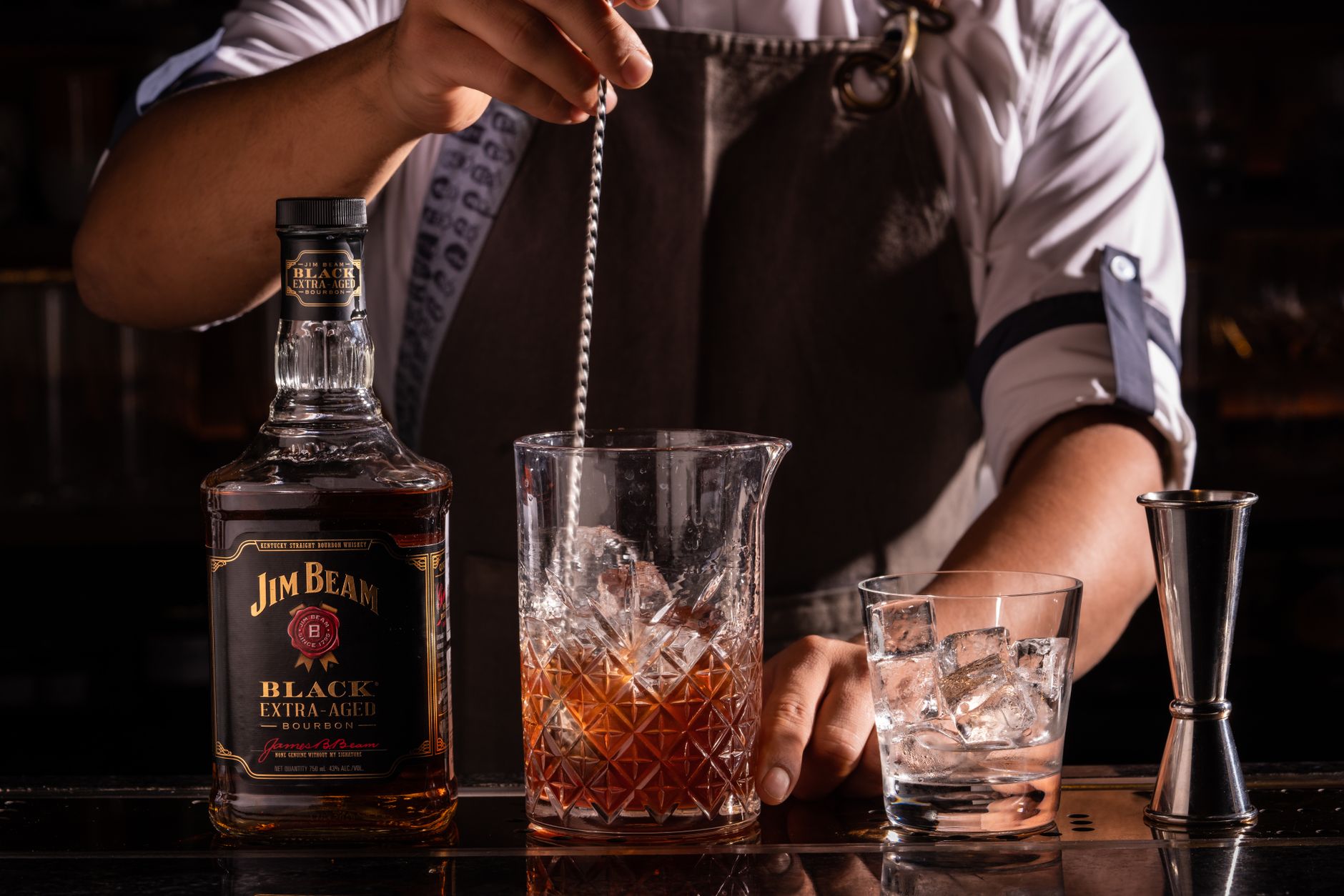
There’s a reason “10 Popular Bourbon Cocktails to Master in 2026” is making the rounds right now—drinkers are done with cluttered home bars and half-used bottles of obscure liqueurs. The new wave of bourbon enthusiasm is about intentional stocking, not accumulation. Whether you’re planning your first proper home bar or refining a collection that’s grown chaotic, a smart bourbon cocktail ingredients shopping list saves you money, reduces waste, and means you’re always ready to mix something exceptional.
This isn’t about buying everything. It’s about buying the right things in the right order—and understanding why each item earns its place.
The Foundation: Your Core Bourbon Cocktail Ingredients Shopping List
Every great bourbon cocktail rests on a short list of non-negotiables. These aren’t flashy; they’re the workhorses that appear across dozens of recipes.
Start with these bottles:
- Bourbon (2-3 expressions) — One high-rye for spice (think Four Roses Single Barrel, ~$45), one wheated for softness (Maker’s Mark Cask Strength, ~$40), and one budget workhorse for highballs (Evan Williams Bottled-in-Bond, ~$17). Three bourbons cover 90% of cocktail scenarios without overlap.
- Rye whiskey — Even bourbon-focused drinkers need rye. Its peppery backbone transforms an Old Fashioned and makes a proper Manhattan possible. Rittenhouse Bottled-in-Bond (~$28) delivers proof and value.
- Angostura bitters — The original, still essential. One bottle lasts roughly 2 years with regular use.
- Orange bitters — Regans’ No. 6 or Fee Brothers. Transforms an Old Fashioned from good to memorable.
- Demerara syrup — Make it yourself: 2 parts demerara sugar to 1 part water, simmered 5 minutes. Keeps 3 weeks refrigerated. Richer than standard simple syrup, better for bourbon’s caramel notes.
- Fresh citrus — Lemons and oranges weekly. Limes monthly for occasional Whiskey Sours with egg white.
Total foundation investment: roughly $140-160 for bottles that last 4-6 months with moderate use.
The Expansion Tier: Ingredients for 2026’s Most Requested Drinks
Once your foundation is solid, add ingredients that unlock the cocktails everyone’s actually asking for right now. This tier separates a basic bar from one that impresses.
- Sweet vermouth — Carpano Antica Formula (~$35) for Manhattans and Boulevardiers. Refrigerate after opening; it degrades in 6-8 weeks but transforms drinks dramatically.
- Dry vermouth — Dolin (~$15) for lighter aperitif-style bourbon drinks emerging this year. Kentucky bars like Hell or High Water in Louisville are leaning into these lower-ABV options.
- Amaro — Averna or Nonino (~$35-45). The Paper Plane and its variations remain dominant in 2026, and amaro bridges bourbon into complex, bitter territory.
- Maple syrup (Grade B) — Not just for fall. Kentucky bartenders now use it year-round for its minerality and lower glycemic punch than simple syrup. Lasts indefinitely refrigerated.
- Peychaud’s bitters — Essential for Sazeracs and any New Orleans-influenced bourbon drink.
- Grenadine — Small-batch like Liber & Co. (~$12), not the red corn syrup. Critical for bourbon-based tiki-adjacent drinks trending now.
Pro tip from Louisville’s bar community: Buy the 375ml vermouth bottles when available. You’ll finish them before oxidation kills the flavor.
Fresh Produce & Perishables: The Weekly Bourbon Cocktail Ingredients Shopping List
Bottles get the glory, but perishables determine quality. Build a rotating weekly list around your drinking plans.
Every week:
- 4-6 lemons (for juice and peels)
- 4-6 oranges (for juice, peels, and garnishes)
- Fresh eggs (for Whiskey Sours, Flips, and Ramos Gin Fizz variations with bourbon)
Every two weeks:
- Mint bunch (for Juleps and Smash variations)
- Ginger root (for muddling and syrups)
- Berries in season (blackberry bourbon smashes are dominating Kentucky farmers market cocktail pop-ups this summer)
Monthly:
- Whole nutmeg (grated fresh for Eggnog season and occasional garnish)
- Quality maraschino cherries (Luxardo or local alternatives like Kentucky’s own Bourbon Barrel Foods)
The 2026 shift: Bartenders are moving away from pre-made sour mixes entirely. If you’re buying “margarita mix” or “sweet and sour,” you’re working against your bourbon. Fresh lemon, sugar, water. That’s it.
Tools That Belong on Your Shopping List (Not Just Ingredients)
A complete bourbon cocktail ingredients shopping list includes the hardware that makes ingredients perform. These aren’t expensive, but they’re specific.
- Japanese jigger — Dual-sided 1oz/2oz or ¾oz/1½oz. Precision matters more than speed.
- Fine mesh strainer — Double-straining removes ice shards and muddled herb fragments. Non-negotiable for textured drinks.
- Y-peeler — For citrus oils without pith. A knife can’t match the control.
- Muddler — Unvarnished wood, flat-bottomed. Metal bruises mint; textured muddlers over-extract bitterness.
- Mixing glass — Yarai-style or any 500ml+ glass vessel. Shaking dilutes differently than stirring; respect the technique.
Budget reality: $60-80 total for tools that last decades. Buy once.
The Kentucky Angle: Local Ingredients Worth Seeking Out
Since Bourbon City Bistro covers Kentucky’s restaurant scene, here’s what to add when you’re shopping in-state or ordering from Kentucky producers.
- Bourbon Barrel Foods soy sauce and bitters — Aged in bourbon barrels, these add umami depth to non-traditional bourbon cocktails. Their Bluegrass Soy Sauce (~$8) appears in savory Bourbon Bloody Marys at Lexington’s Middle Fork Kitchen Bar.
- Old Forester’s smoked cinnamon — Available at their distillery gift shop, transformative for winter bourbon drinks.
- Kentucky honey varietals — Wildflower or buckwheat honey from producers like TruBee or HoneyBear Farms replaces simple syrup in Gold Rushes and Hot Toddies with terroir.
Restaurant insight: When you visit Kentucky bars like The Silver Dollar or Justin’s House of Bourbon, notice their back bars. They’re not infinite—they’re curated. The best programs run 40-50 bottles total, not 200. Discipline beats volume.
Building Your Actual Shopping Routine
Here’s how to operationalize this without overwhelm.
Monthly: Review bottle levels. Order replacements for anything below ¼ full. Check vermouth expiration.
Weekly: Fresh citrus, herbs, any perishables for specific weekend plans.
Quarterly: Evaluate one “stretch” ingredient—something that unlocks 2-3 new drinks. Q3 2026 candidates: falernum (for tiki-bourbon crossover), orgeat (for Japanese-inspired bourbon highballs), or a new amaro to expand your bitter range.
Annual: Reassess your bourbon selection. One bottle should always be experimental—something from a craft distillery or limited release that keeps your palate developing.
Conclusion: Shop Once, Mix Better All Year
A thoughtful bourbon cocktail ingredients shopping list isn’t about having everything. It’s about having what you need, knowing why you need it, and building a system that keeps your bar functional rather than overwhelming. Start with the foundation, add the expansion tier as your skills grow, and maintain the discipline of fresh produce and proper tools.
The 2026 trend toward mastering fewer cocktails more deeply—exemplified by guides like “10 Popular Bourbon Cocktails to Master in 2026”—rewards this approach. Better to make ten drinks perfectly than thirty poorly. Stock accordingly, shop intentionally, and your home bar will outperform most commercial programs in the drinks that matter most.